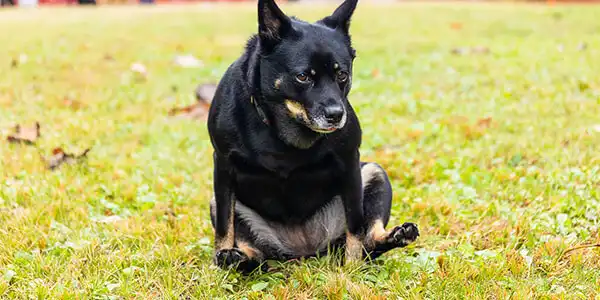
If you’ve ever watched your dog scooting across the carpet or trying to lick their rear end obsessively, you’ve probably wondered what’s going on back there. The answer might be their anal glands.
Though it’s not the most glamorous topic, understanding the expression of anal glands in dogs, how anal glands work, and what can go wrong is an important part of keeping your dog healthy and comfortable.
What Are Anal Glands in Dogs?
Like many mammals, dogs have two small glands located just inside their anus at approximately the 4 and 8 o’clock positions. These glands, also called anal sacs, produce a smelly, oily fluid that dogs use for scent marking.
This fluid is released during defecation or when a dog is frightened or stressed. The scent is unique to each dog and plays a role in communication with other dogs, just like urine marking.
Common Anal Gland Problems in Dogs
While most dogs express their anal glands naturally during bowel movements, problems can arise when the glands don’t empty properly. Anal gland (or sac) disease is a term is often used to encompass any of the issues listed below.
- Impaction. This happens when the anal gland fluid thickens and the gland can’t empty, causing uncomfortable pressure for your dog.
- Infection. Impaction can lead to the anal glands becoming infected and inflamed.
- Cellulitis. This is inflammation in the surrounding tissue.
- Abscess. If an infection goes untreated, it can lead to an abscess, which may rupture.
- Tumors. This is less common, but anal gland tumors can occur and may be cancerous.
- Perianal fistulas. Anal gland impaction or infection can lead to an abscess. The anal gland secretions can drain through the skin and damage surrounding tissue. With prolonged damage, the skin can become inflamed, leading to perianal fistula, where the tissue around the anus develops a chronic foul-smelling wound.
Signs of Anal Gland Problems
You’ll want to watch for signs that might indicate your dog is having anal gland trouble, such as:
- Scooting or dragging their rear on the floor
- Excessive licking or biting at the rear end
- Not wanting to sit down
- A foul, fishy smell
- Swelling or redness near the anus
- Blood or pus near the rectum
If you notice any of these signs, it’s time to talk to your veterinarian.
How You Can Tell If Your Dog’s Anal Glands Need to Be Expressed
Some dogs need occasional manual expression of their anal glands if they struggle to express them naturally. This is particularly true for obese dogs or those with osteoarthritis or gastrointestinal issues.
Watch for:
- Scooting or rear-end discomfort
- Recurrent licking at the base of tail or anus
- A distinct fishy smell coming from your dog
- Swelling around the anus
- Difficulty pooping
Dogs with frequent gland issues often require routine manual expressions to prevent impaction or more severe issues.
Treatment for Your Dog’s Anal Gland Issues
There are two methods of manual anal gland expression. External expression is done, as the name suggests, outside the body by applying pressure to the glands. Internal expression should only be performed by your veterinarian. This is done with internally applied pressure.
Short-term treatments:
- Have your dog’s anal glands manually expressed by a veterinarian.
- Apply a warm compress to reduce swelling and discomfort.
- Your veterinarian may prescribe antibiotics for any infection.
- They may also prescribe anti-inflammatory medications for pain relief.
While groomers may offer anal gland expression, it’s best to have a veterinarian perform an internal expression of the glands. Groomers should only perform external expression, and even then, they can’t completely empty the glands, and the process can cause inflammation.
Long-term management:
- Feed your dog a high-fiber diet to encourage firmer stools, which help express the glands naturally.
- Monitor your dog for diarrhea or very soft stool.
- Manage any gastrointestinal or osteoarthritis issues your dog may have.
- Check with your vet about adding supplements, like fiber powders or canned pumpkin.
- Keep your dog at a healthy weight, as overweight dogs are more prone to anal gland issues.
- In severe chronic cases, your veterinarian may recommend surgical removal of the anal glands.
When to See Your Veterinarian About Your Dog’s Anal Gland Issues
Take your dog to the vet if you notice signs of pain, swelling, or infection in the anal area. Persistent scooting, licking, or changes in smell or behavior also call for a vet visit. If the issue returns after treatment, consult your vet again.
If your dog has recurring issues, your veterinarian may teach you safe anal gland expression techniques for home use. Never try to express the glands without proper training, as this can cause harm.
If your dog is expressing their anal glands naturally, managing the anal glands is hopefully something you never have to worry about. If issues arise, being aware of the signs and knowing when to call your vet can prevent discomfort and more serious complications. With a proper diet, weight management, and veterinary support, most dogs can stay happy, healthy, and scoot-free.
ZPC-04968