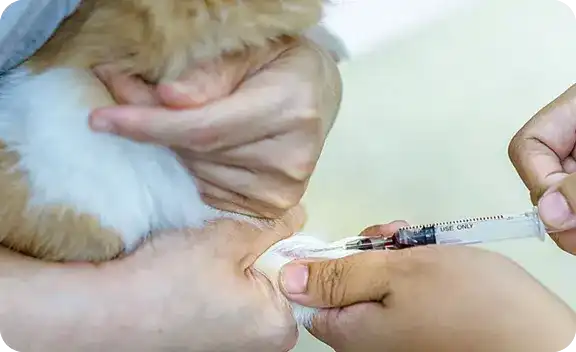
When your pet needs surgery or a procedure that requires anesthesia, it’s normal to feel a little nervous. You want to make sure your furry friend is as safe as possible. That’s why veterinarians recommend pre surgical testing before anesthesia. Understanding the benefits of these tests can help you feel confident about your pet’s care and know what to expect from the process.
What is Pre-Anesthetic (or Pre-Surgical) Testing?
Pre surgical testing (also called pre anesthesia test or pre-op bloodwork) means your veterinary team checks your pet’s health before any procedure that requires anesthesia. This includes a full physical exam and laboratory tests to get a complete picture of your pet’s health. Pre anesthesia testing helps your veterinarian pick the safest medications and plan the best way to keep your pet comfortable during surgery.
Common Preanesthetic Tests and What They Reveal
| Test Type | What It Checks For | Why It Matters |
|---|---|---|
| Bloodwork | Organ function, anemia, infection | Detects hidden illness |
| ECG | Heart rhythm, abnormal beats | Prevents anesthesia risk |
| X-ray | Masses, heart/lung issues | Avoids surgical surprises |
| Urinalysis | Kidney, bladder, diabetes | Catches treatable conditions |
Why is Pre-Anesthesia Testing Important?
Pre anesthesia testing offers several benefits for both you and your pet:
- Evaluates medication safety. Your pet will need medicine to relax or sleep during the procedure. Pre op bloodwork helps your veterinarian choose the safest medications for your pet based on how their body processes drugs.
- Finds hidden diseases. Sometimes pets have illnesses that don’t show signs. Pre anesthesia test results can reveal hidden problems, so your veterinarian can adjust the plan and lower the risk of complications.
- Establishes baseline values. Knowing your pet’s normal test results helps your veterinarian spot changes as they age. This is especially helpful if your pet ever gets sick in the future.
- Gives you peace of mind. Knowing you’ve followed pre surgical testing guidelines and done everything possible to keep your pet safe can help you feel more comfortable about their procedure.
Pre Surgical Testing Guidelines
Your veterinarian will follow pre surgical testing guidelines to decide which tests are best for your pet. These guidelines consider your pet’s age, health history, and the type of procedure. Even young and healthy pets can benefit from pre surgical blood work because it helps catch problems early.
What to Expect During Your Pet’s Pre Surgical Assessment
Here’s what usually happens during a pre surgical assessment:
- Physical exam. The veterinarian checks your pet’s heart, lungs, and overall health.
- Laboratory tests. Blood and urine samples are collected for testing.
- Review of results. Your veterinary team discusses the results with you and explains any concerns or next steps.
If any issues are found, your veterinarian may adjust the anesthesia plan, recommend additional tests, or delay the procedure until your pet is healthier.

ZPC-00540R2