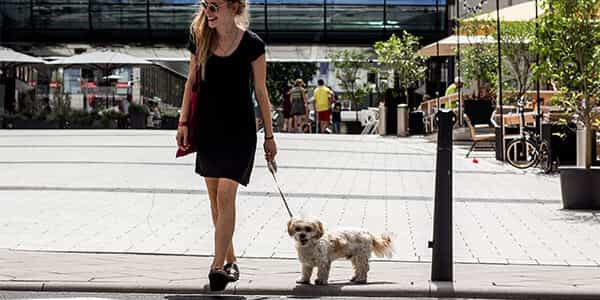
Living in the city can be exciting — and with the right care, it can be a great place for your dog too! While space may be limited and the streets a little loud, many dogs can thrive in an urban setting. Here’s what you need to know to keep your city pup happy, healthy, and safe.
Navigating Apartment and Dog Size
For many city dwellers, apartments and condos can be the most practical living spaces. Your home’s size plays a role in your dog’s well-being. Large dogs require ample room to move about or even lounge and nap. Even small dogs need room to move and play, as this helps prevent restlessness and destructive behavior.
Their bed, crate, food and water station, and toys take up a lot of square footage, too. When choosing an apartment or dog, consider the layout of your home and the size of dog that will best fit.
Exercise and Enrichment Needs
Dogs need at least thirty minutes of exercise a day — but many breeds need more. This requires thoughtful planning, but to stay healthy and happy. Adding enrichment activities can help satisfy dogs with a lot of energy.
High Energy Dogs
Considering your dog’s energy level is particularly important in a city. Active, high-energy dogs, like Border Collies, Australian Shepherds, and Huskies, require a lot of dedication to their exercise needs, especially living in a city. Thoughtful playtime, jogging, and frequent visits to the dog park can help expend that pent-up vigor. For extra-active breeds, two or more longer outings a day may be necessary.
Room to Move
Dogs need room to run and move. If appropriate, regularly visit the dog park to allow your dog freedom of movement and socialization. If your dog doesn’t do well at the dog park, seek out large park spaces with fewer dogs and walk or jog them on a long leash. Never take your dog off leash unless in a designated off-leash area and make sure their harness fits properly to reduce the risk of escape.
Breed Restrictions and Dog Policies
Many apartment and condo complexes restrict which dog breeds are allowed. Even some cities have breed bans. Before bringing a new dog home or selecting your new home, ensure you know the building’s policies and any breed-based legislation in your area. This is a critical step to ensure you and your dog won’t face any unwelcome surprises or discrimination.
An apartment complex might require monthly pet rent, additional deposits, or other steps in order for you to keep a pet.
While exceptions are made for emotional support and service animals, falsely claiming that your dog is either can backfire, causing harm to legitimate service dogs and their handlers regarding their access.
Hustle, Bustle, and City Noise
Dogs vary in their tolerance to noise, some being more sensitive than others, depending on their breed, early socialization, and other factors.
If your dog is frightened by the sound of sirens, traffic, or other city noises, get support from a certified canine behavior consultant or veterinary behaviorist. They will walk you through the process of counter-conditioning your dog to the noises that trigger their fear and anxiety, working on changing their emotional associations with them.
In many cases, noise anxiety can be helped with reward-based training and anti-anxiety medications.
Regular Dog Potty Breaks
City dogs may not have a backyard, so leashing up for potty breaks should happen frequently throughout the day. Many apartment and condo dwellers find using a real-grass indoor potty spot incredibly helpful when they can’t make it all the way outside with their dog.
Plan a routine for regular potty breaks. Remember to bring dog bags to clean up your dog’s waste on your walks. If your schedule is tight, consider hiring a dog walker to help your dog get the potty breaks they need, along with extra exercise.
Health and Safety Considerations for City Dogs
In the urban jungle, a dog can easily get lost in the shuffle. Always outfit your dog with current ID tags and make sure they are microchipped, and the registration is current for an extra layer of security. This remarkably simple yet lifesaving step ensures that if your dog does get separated from you, you’ll have a much better chance of being reunited.
Other potential city dangers include:
- Rodent and pest poisons and pesticides
- Discarded trash and cigarettes
- Injured paws from hot sidewalks in summer and deicer in winter
The risk of getting fleas, diseases from ticks, and heartworm infections don't disappear in the city. The need for vaccination and parasite control is still important because fleas, ticks, and mosquitoes carrying heartworms are found in the city. So, it is important to keep your city dog safe from parasites and disease with a regular parasite preventative. and vaccination. Consult with your veterinarian to determine what is needed for your city dog.
Caring for a dog in the city requires planning, but it is completely manageable. With regular exercise, a secure environment, and a consistent routine, your dog can thrive in the city.

ZPC-04708