
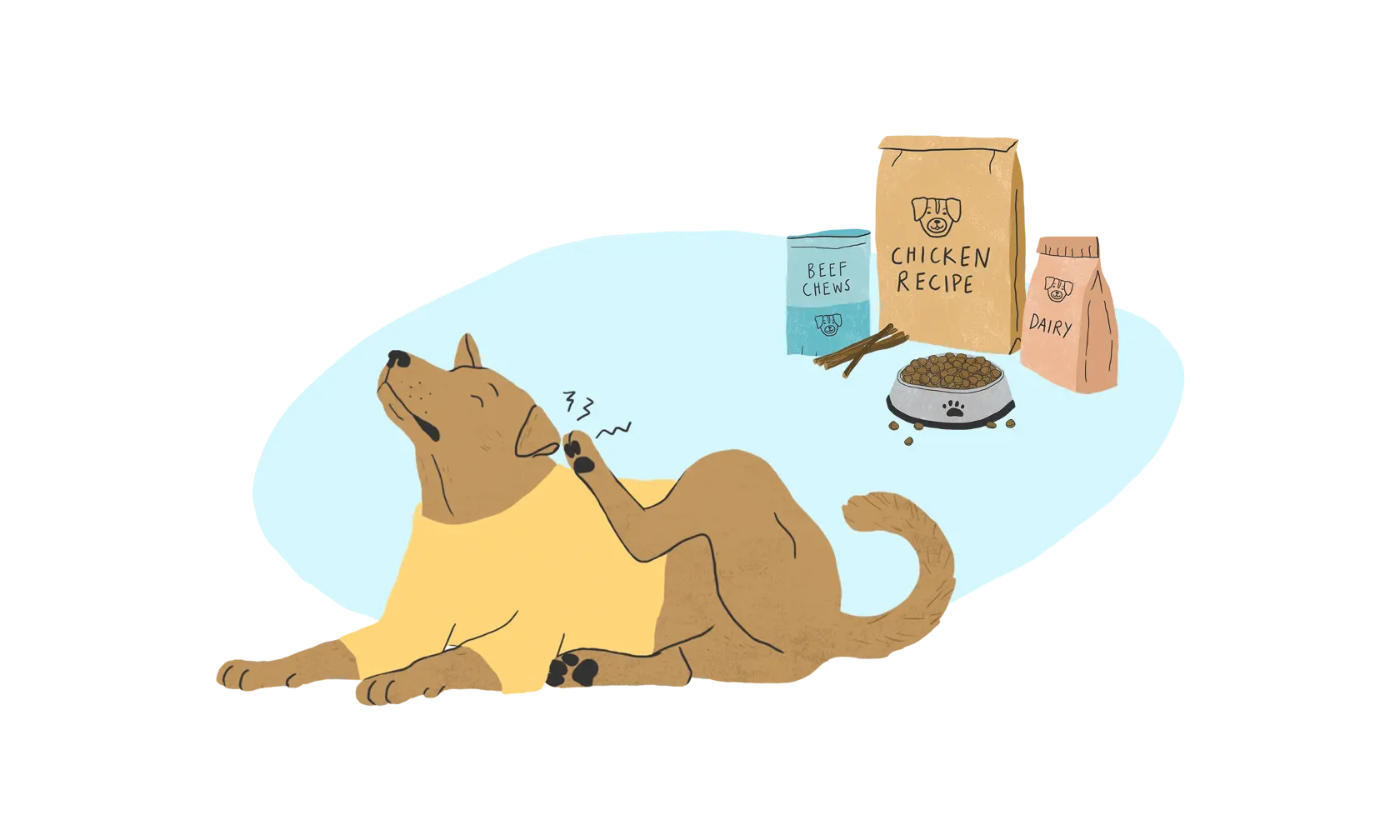
If your dog is constantly scratching, you might wonder if it’s just allergies or something more. Did you know that your dog’s gut health can play a major role in their skin and itching problems? The link between gut health in dogs and their immune system is becoming clearer, showing that what happens inside can affect what happens outside. Understanding how dog gut health and allergies are connected (and what you can do) can help your dog feel comfortable and happy.
What is Your Dog’s Gut Microbiome?
The microbiome is all microorganisms that can live in the intestinal tract, respiratory tract, or on the skin. It's mostly made up of bacteria but can also contain other organisms such as viruses and fungi.
Much of the discussion about the microbiome has been with the microbiome that lives within your dog’s intestinal tract. Having a wide variety of bacteria (diversity) in the gut microbiome is believed to better aid the immune cells in distinguishing between harmful or harmless bacteria and pathogens. Your dog’s microbiome can help prevent diseases by fighting off bad bacteria, enhance digestion, maintain the whole body’s immune system, keep the cells in the intestinal tract healthy, and help your dog get energy from food your dog eats. If your dog has an unhealthy microbiome, research is showing there may be links to increased risk of getting gastrointestinal diseases such as inflammatory bowel disease, obesity, and even allergies.
What Can Cause an Unhealthy Gut in Dogs?
There are a multitude of factors that can disrupt your dog’s gut microbiome leading to an unhealthy gut. Such factors include:
- Physical and psychological stress
- Medications
- Diet
- Illness or disease
- Environmental toxins
How To Keep Your Dog’s Gut Healthy
You can help keep your dog’s gut healthy by nourishing the gut microbiome, Some ways to do this include:
- Prebiotics and/or probiotics. Prebiotics and probiotics help support your dog’s gut health by fueling and maintaining healthy bacteria in their digestive system. You can find probiotics in different forms, like powders or pills, but it’s important to talk with your veterinarian about which type and amount is best for your pet. Always check the label, storage instructions, and expiration date when choosing probiotics for your dog.
- Certain types of fiber. Fiber supports your dog’s gut health by promoting bacterial diversity and maintaining a healthy intestinal environment. Your veterinarian may suggest adding fiber-rich foods, like high-fiber dog food or pumpkin, to your dog’s diet. Always consult your vet before adding fiber, as it can affect nutrient absorption, and make sure your dog drinks enough water with fiber supplements.
- Omega-3 fatty acids. Omega-3s can reduce inflammation in the gut and support overall digestive and immune health.
- Proper diet. A balanced, high-quality diet gives your dog the nutrients they need for a healthy gut and strong immune system.
- Exercise. Regular activity keeps your dog’s digestive system working well and supports healthy metabolism.
- Maintaining a healthy weight. Keeping your dog at a healthy weight lowers their risk for gut and immune problems.
- Rest. Adequate sleep allows your dog’s body and gut to recover and function properly.
- Stress management. Reducing stress helps prevent gut issues, since stress can negatively affect the digestive system and microbiome.
More research is needed to fully understand the impact that gut health has on your dog’s overall health and well-being. But it certainly plays an important role and should be considered part of their overall wellness plan. Talk to your veterinarian if you have questions about your dog’s microbiome.
Fiber and Your Dog’s Gut Health
It’s believed that fiber also plays a big role in a healthy gut with lots of bacteria diversity. Healthy gut bacteria gets food from many types of soluble fiber and undesirable gut bacteria is inhibited by the healthy intestinal pH that fiber helps to produce.
Your veterinarian may recommend adding more fiber to your dog’s diet through a high-fiber dry or wet food or adding other foods such as pumpkin. Do not add fiber to your dog’s diet without first consulting your veterinarian since it can alter the absorption of nutrients and make sure they’re drinking plenty of water when adding a fiber supplement into your dog’s diet.
If your dog is itching a lot, their gut health could be part of the problem. A healthy gut can support their skin and immune system, which may help reduce scratching over time. Talk with your vet about possible food allergies, parasites, and infections—and ask what diet or probiotic changes might be safe for your dog. With the right plan, your pup can feel better and get back to being comfortable.
ZPC-02562R1

- Rodrigues Hoffmann A, Patterson AP, Diesel A, Lawhon SD, Ly HJ, Elkins Stephenson C, Mansell J, Steiner JM, Dowd SE, Olivry T, Suchodolski JS. The skin microbiome in healthy and allergic dogs. PLoS One. 2014 Jan 8;9(1):e83197. doi: 10.1371/journal.pone.0083197.