
Just like humans, cats can experience anxiety that affects their physical and mental health. If your cat seems nervous or fearful, you’re not alone — many owners notice changes in their cat’s behavior that signal something isn’t right. Understanding the signs of anxiety in cats and knowing how to help a cat with anxiety can make a big difference for your furry friend.
Signs of Fear and Anxiety in Cats
Once you’ve ruled out pain or a medical issue, the next step in helping your cat with their anxiety is to correctly identify it. Signs of anxiety in cats are generally more subtle than you’d think. Picture the “Halloween cat” with puffed-up hair, arched back, and a threatening hiss— that’s not what you’re likely to see. Although they can present in a variety of ways, anxiety symptoms fall into a few key categories.
Changes in their daily habits:
- House-soiling issues (going outside the litter box)
- Changes in appetite or weight
- Sleeping more
- Diarrhea and/or vomiting
More significant signs of fear and anxiety include:
- Trembling or shaking
- Rapid breathing
- Avoiding eye contact
- Tail flicking or tightly held against their body
- Dilated pupils
- Hiding and withdrawal
- Crouching down and/or leaning away
- Hair standing up
- Flattening ears against their head
- Excessive vocalization through meowing, yowling, hissing, and growling
- Licking their nose frequently
- Excessive grooming often leading to hair loss or skin sores
- Pacing around the house (typically accompanied by meowing)
- Overreaction to noises and/or movement
- Aggression towards people and/or other pets in the household
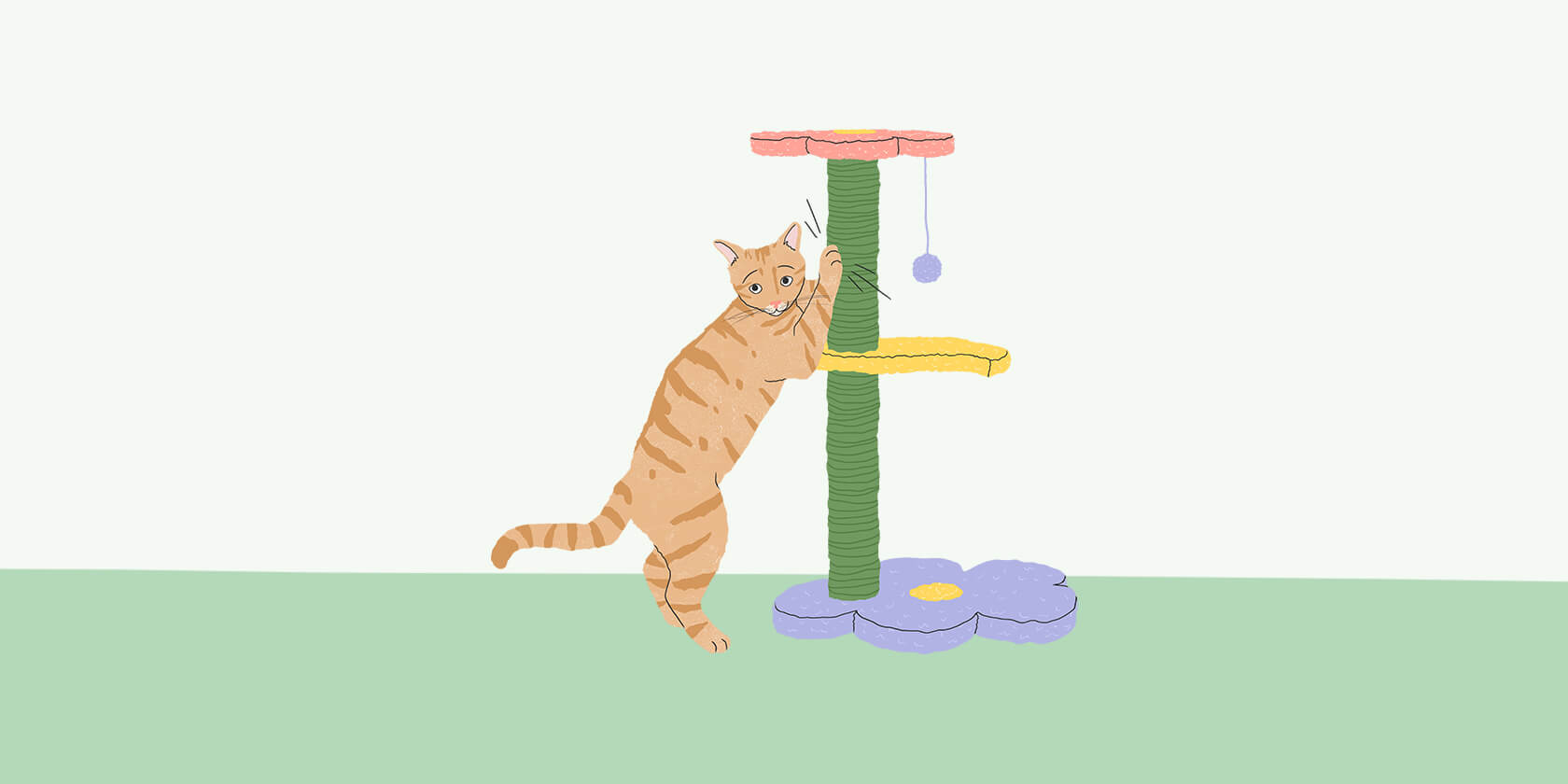
- Destructive behaviors like furniture scratching
- Following people around the house
If your cat is only having the occasional sign of fear or anxiety, it doesn’t necessarily mean they’re clinically anxious. They may just be reacting normally to something like a sudden loud noise or change to their routine. If they’re regularly experiencing more than one of the signs above, anxiety is a concern. Now you can get down to the business of helping to alleviate it.
Cat Anxiety Symptoms vs. Common Cat Behaviors
| Symptom | Normal Behavior | Anxiety Indicator | When to Seek Help |
|---|---|---|---|
| Hiding | Occasionally | Frequently, prolonged | If hiding lasts >2 days |
| Excessive grooming | Regular grooming | Bald patches, sores | If wounds appear |
| Aggression | Playful biting | Unprovoked attacks | If aggression escalates |
Causes of Anxiety in Cats
Cat personalities can be incredibly diverse, and so are the causes of their anxiety. The rumbling noise of an unbalanced washing machine may cause one cat to run away in fear and leave another completely unfazed. Anxiety is defined as the anticipation of a threat or danger — real or not (it's real to your cat). Common causes:
- Sudden changes in their environment or routine
- Loud noises
- Foreign smells
- Unstable relationships with people and/or pets in the household
- Resource competition (food, litter boxes, affection)
- Boredom, inactivity
- Lack of socialization at a young age
- Animals outside the home (especially stray or neighborhood cats)
How to Help a Cat with Anxiety
Helping your cat with anxiety often requires using several strategies at once. Here’s a step-by-step approach:
- Identify the cause or trigger. Watch your cat to find what makes them anxious.
- Remove triggers when possible. For example, block your cat’s view of neighborhood cats or use gentle deterrents.
- Provide positive alternatives and enrichment. Interactive play, affection, and food puzzles help your cat feel safe and stimulated.
- Enrichment activities can reduce anxious behaviors.
- Transform their environment. Offer elevated spaces (cat trees), window perches, cozy beds, and safe outdoor areas (catios). Give your cat a variety of scratching posts.
When it comes to your cat's anxiety, first Identify the signs and triggers. Then, speak to your veterinarian about the different options that will be best for your cat.
ZPC-01219R2

IMPORTANT SAFETY INFORMATION: Not for human use. Do not use in cats with known hypersensitivity to pregabalin. Use with caution in cats with cardiac disease, hypertension, renal disease, or severe systemic disorders. The safe use of BONQAT has not been evaluated in breeding, pregnant, or lactating cats; in cats younger than 7 months of age; in cats with cardiac disease, hypertension, renal disease, or severe systemic disorders; or in conjunction with opioids and other sedatives. The most common side effects are incoordination, lethargy, and vomiting. See full Prescribing Information.
Bonqat® is a registered trademark of Orion Corporation. It is manufactured by Orion Corporation and distributed in the United States by Zoetis under license from Orion Corporation. All trademarks are the property of Zoetis Services LLC or a related company unless otherwise noted. ©Zoetis Services LLC. All rights reserved.