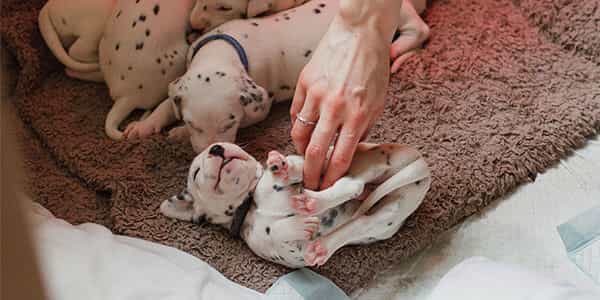
A reputable dog breeder isn’t just selling puppies—they’re dedicated to preserving the health, temperament, and future of a breed they love. Unfortunately, there are so many places to get puppies (especially the more popular breeds and mixes), that it can be hard to tell the difference between an ethical breeder and someone in it for the wrong reasons.
It takes more than a cute website or social media presence to be a responsible dog breeder. Let’s look at what you should know as you start your search for a new puppy.
Do Your Research and Ask for Referrals
That adorable puppy in an online post might tug at your heart, but it’s important to pause and dig deeper. Responsible breeders typically don’t advertise through large, classified sites or third-party selling platforms. They are usually very active in breed-specific communities and clubs And build waitlists for their litters through word-of-mouth.
To find a responsible dog breeder, here are some good places to start your search:
- The parent breed club of the American Kennel Club (AKC)
- Your veterinarian
- Local certified dog trainers
- Breed-specific rescues (even if you’re not looking to adopt, these rescue groups often know or are run by dog breeders.)
- Enthusiast groups for the breed you’re interested in
You can also attend local dog events and ask other spectators for their recommendations. If a friend or family member has a dog you admire in the breed you’re looking for, ask for a referral to their breeder.
Reputation and their presence within the breed community are vitally important to your early research.
What to Look for in a Reputable Dog Breeder
Once you have a few breeders to consider, start digging a bit deeper into their breeding practices and the temperament of the dogs they produce. Ethical breeding prioritizes the health and welfare of the dogs, including the parents and the litters. Reputable breeders are transparent, knowledgeable, and take a hands-on approach to raising well-adjusted puppies.
Breed Standard
It's a good sign when a breeder is active in conformation or dog sports with their chosen breed. This means they are knowledgeable in the breed standard and the historical job of the breed. Ethical breeding is about creating sound dogs that meet the expectations for that breed, not about getting “rare” or “unusual” colors or body type.
Health and Welfare
You should expect a responsible dog breeder to:
- Perform health and genetic testing on both parents before moving forward with a breeding
- Happily answer all questions you have
- Allow you to visit their home to see the conditions the dogs live in (either in person or virtually)
- Keep the dogs in their home, in a clean, safe, and enriching environment
- Require a contract that includes a return clause in case you are ever unable to keep the puppy
- Begin puppy socialization early
Ask Questions
Expect a reputable breeder to ask you a lot of questions as well. That’s a good sign! Ethical breeders care deeply about where their puppies go and want to make sure each one is a good fit for their new family. You may be asked about your lifestyle, experience with dogs, and how you plan to care for your puppy. This screening process is not about gatekeeping — it’s about setting everyone up for success.
Red Flags to Avoid in a Dog Breeder
It’s not always easy to spot unethical breeding at first glance, but there are warning signs.
- You can’t meet the puppy’s parents. If a breeder won’t let you meet the puppy’s parents or see where the dogs are being raised, that’s a big red flag and could indicate a puppy mill or backyard breeding situation.
- No health documentation. The same goes for breeders who can’t provide health testing documentation or who seem to have a constant supply of puppies from multiple breeds. Another red flag is if the breeder is not a veterinarian, and they are administering the vaccines.
- They use high-pressure tactics. A breeder that requires you to place a deposit before you’ve had a chance to visit or ask questions is concerning.
- There is no return policy. A reputable, ethical breeder should be willing to take a dog back or help facilitate rehoming if things don’t work out for any reason. If they refuse to do so, that’s a sign that they may not be acting in the best interest of the dogs they are breeding.
Good Breeders Are for Life
The relationship you build with your breeder doesn’t end when you take your puppy home. Responsible breeders are a lifelong resource. Many stay in touch with their puppy buyers to offer guidance and support. They want to hear how the dog is doing and will be there if you need help in the future.
Finding a reputable breeder takes time, but it’s worth the effort. By investing your money in someone who cares about ethical dog breeding, you help reduce many health and behavioral issues that arise from unethical breeding practices. Having your puppy’s breeder as part of your support team is invaluable and can make all the difference for you and your new dog.
ZPC-05225