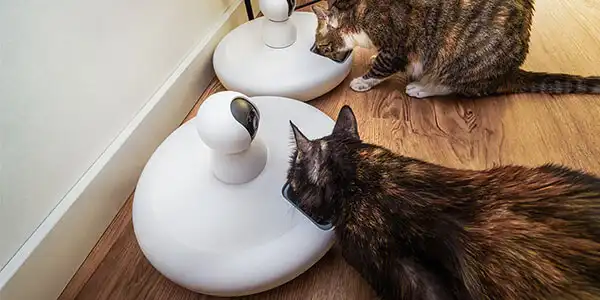
Pet technology has become an essential part of modern pet care, offering new ways to keep your companion happy and healthy. From wearable tech for pets to smart devices that simplify daily routines, pet tech gadgets are changing the way you care for your furry family members.
These innovative solutions make it easier to track your pet’s health, ensure their safety, and support better prevention of problems. Understanding the benefits of pet tech products helps you choose the best solutions for your pet’s unique needs. Discover how the latest pet tech can improve your pet’s life and make things easier for you as a pet parent.
What Is Pet Tech?
Pet tech refers to technology-based tools and products designed to improve pet health, safety, behavior, enrichment, and day-to-day care. These can range from wearable health trackers and GPS collars to smart feeders, cameras, automated litter boxes, and connected home systems.
The best pet tech products solve problems or give insight. You might want to know whether your senior dog is slowing down, or perhaps your cat isn’t drinking enough water. Pet tech can give you some peace of mind when you’re away from home, and can improve your awareness of health challenges, support early intervention, and help veterinarians establish baseline data.
Considerations Before You Buy Pet Tech
Before investing in pet tech devices, ask yourself a few questions:
- Does this solve a specific problem for my pet?
- Is it easy to use?
- Are there a lot of positive reviews?
- Does it connect to my smartphone or smart home system?
- Are there subscription fees or is it a one-time purchase?
- Will my pet tolerate wearing or using it?
Technology should make life easier, not more complicated.
Smart Wearables and Health Sensors
Smart collars and wearable tech for pets can track activity, rest, sleeping, and location. Some even track health-related trends such as heart rate or breathing patterns, drinking, and head shaking. These devices are especially useful for active and senior pets, pets with medical conditions, or pet parents who want to see how the data changes over time.
For example, activity trackers can establish a baseline of what’s normal for your dog or cat. If your usually energetic dog suddenly becomes less active or starts sleeping more, you can catch this on the tracker and discuss these changes with your veterinarian.
What Wearables Monitor
Some wearable devices can monitor:
- Daily activity and movement
- Sleep duration and quality
- Scratching or licking behaviors
- Drinking and hydration
- Heart rate trends
- Respiratory rate changes
- Mobility patterns
- GPS location and escape alerts
Benefits of Wearable Devices
Rather than replacing veterinary care, these devices work best as another layer of information. Watching patterns over time can be valuable for identifying health changes that might otherwise go unnoticed. They can be especially helpful for monitoring activity at night while you are sleeping. Accuracy varies between brands and features, and wearable devices should never be used to diagnose illness at home or replace veterinary advice.
Challenges of Wearable Devices
Your pet's breed, coat type, activity level, and body shape can affect how well some wearables fit or function. For example, a lightweight tracker that works well for a Labrador might not be the best choice for a toy breed. Keep these things in mind when looking at options and reading reviews.
Feeding and Hydration Tech
Other tech innovations have found their way into automatic and smart feeders, as well as water fountains, making it easier to manage and regulate meal portions, schedules, and hydration.
Smart Feeders
Smart feeders can help manage portion control and feeding times. This is great for weight management and feeding when you’re not home. A consistent feeding schedule also helps reduce stress.
Many have an app and connect to your home’s wi-fi network. They can tell you things like when the food was dispensed, provide low-food warnings, and even give a special treat. Some even offer electric refrigeration to keep wet food at safe temperatures until feeding time.
Others include support to keep pets out of each other’s food. These feeders scan each pet’s microchip or an RFID (radio-frequency identification) tag on their collar and allow access only to the pet programmed into the feeder.
If you’re concerned about losing power, be sure your unit can operate on batteries, so your pet doesn’t miss a meal. Some also have built-in cameras so you can sneak a peek while you’re away.
Water Fountains
Proper hydration helps support urinary and kidney health, but our pets aren’t always as focused on their water intake as we’d like. Today’s pet fountains come in corded and cordless options. Some have apps that let you track how much and how often your pet is drinking, which can offer vital insights into their health.
Safety Tips
- Ensure that your pet can eat and drink from a natural position without straining their neck.
- Be sure the devices are cleaned frequently.
- If the unit has a power cord, ensure that it can’t be chewed or, better yet, avoid machines with power cords altogether.
Most importantly, never rely on feeders and fountains to do 100% of the work. Things can go wrong, and you don’t want your pet going without food or fresh water, especially if you’re away from home for extended periods.
Automated Litterboxes
Automated litter boxes are a popular pet tech gadget for cat parents. They self-clean and some even monitor how often your cat uses the box. This data can point to early signs of health issues, like urinary blockages.
Pros
- Less daily cleaning for you.
- Health tracking features add peace of mind.
Cons
- Some cats dislike enclosed spaces or the unit’s size.
- Machines need regular deep cleaning and can malfunction.
- Higher upfront cost compared to traditional boxes.
Safety and Security Pet Tech
The options above are just a small sample of what’s out there. You can also find:
- GPS trackers to help find lost pets
- Smart home integration, for things like opening doors, adjusting temperature, and even tweaking the lighting to help your pet feel comfortable and secure
- Behavioral aids that can measure changes in heart rate, vocalization, movement, and other cues that indicate stress or anxiety
Pet Tech Cautions and How to Avoid Them
While many of these products can be extremely helpful as we look for new ways to support our pets, there are potential concerns.
- Over-automation can reduce hands-on time with your pet.
- Ignoring maintenance can lead to device failures.
- Too many notifications may cause you to miss important updates.
- Some devices, like shock collars, can cause stress or harm—avoid these options.
Pet tech gadgets and pet tech products offer real solutions for modern pet parents, making it easier to keep your pet happy and healthy. By choosing wearable tech for pets and other innovative tools, you can support better prevention, improved care, and a more connected relationship with your furry friend. Always consider your pet’s comfort, safety, and individual needs when selecting new devices. When in doubt, ask your veterinarian for vet-approved advice on the best options for your pet.
ZPC-05297