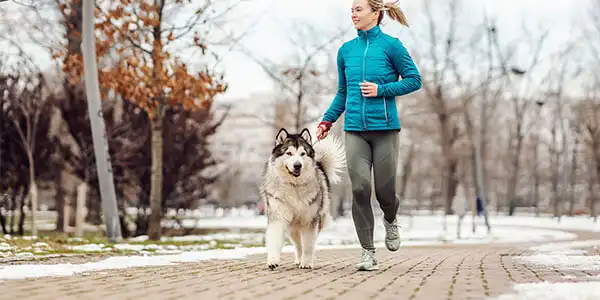
Do you know how to tell if your dog is cold and when you need to do something about it? Dogs can get chilly just like people, and knowing the signs your dog is cold can help you prevent discomfort, hypothermia, or frostbite. As a pet parent, keeping your dog happy and healthy means understanding what affects their body temperature and how to help them stay warm in cold weather.
Whether you’re visiting a chilly place, moving to a colder environment, or just worried the AC is on too high, let’s learn about dogs and cold temperatures
Signs Your Dog May Be Too Cold
If your dog is showing any of these signs, it may be time to take action to warm them up:
- Shaking or shivering
- Curling up in a tight ball
- Standing in a hunched position with a tucked tail
- Whining
- Hesitant to walk
- Seeking shelter or trying to snuggle up to you or other pets for warmth
- Attempting to keep their paws off the ground
There are different levels of cold. A little chilly isn’t serious, though it can be uncomfortable. There are, however, extremely serious levels of cold, that can result in hypothermia and frostbite.
What Impacts Your Dog’s Body Temperature?
A dog’s ability to tolerate cold depends on several factors, such as breed, coat type, age, body fat percentage, overall health, and activity level.
Small dogs, seniors, puppies, dogs with medical conditions, and brachycephalic breeds are generally at a greater risk of rapidly losing body heat and becoming cold. Breeds with short, single-layer coats, like Great Danes, Boxers, Chihuahuas, and Greyhounds don’t tolerate the cold well, either.
Breeds that tolerate the cold well and even prefer it include Great Pyrenees, Siberian Huskies, Newfoundlands, and Saint Bernards.
How To Prevent Your Dog from Getting Cold
If your dog is prone to getting cold, the following tips can help keep them warm indoors and out.
Limit Time Outside
During the cold weather, keep your dog inside as much as possible, especially if they’re a breed that tends to be cold intolerant or if they’re young, senior, or have health issues.
Keep Them Dry
Be sure your dog is dry and remains completely dry outside. Any wet areas are at an increased risk of frostbite. Wipe them down after time outside to remove any water, ice, or snow.
Even inside, a pup prone to feeling cold should be dried immediately after a bath or if they were out in the rain or snow.
Dress for the Cold
Consider a sweater or coat and doggie booties to protect their paws. It’s a good idea to have several sweaters or coats on hand in case one gets wet.
Keep Walks Short and Know Your Dog’s Limits
Dogs with arthritis have a harder time walking in cold weather, especially on snow and ice. Short-legged dogs are more vulnerable to cold because their bodies are closer to the ground. Dogs with certain medical issues, such as hypothyroidism, diabetes, kidney disease, or Cushing’s disease, may have a more difficult time regulating their body temperature so bundle them up and keep their walks shorter in cold weather.
Watch the Car Temperature
A cold car can be just as dangerous as a hot car, losing heat very quickly once the heater is turned off.
What To Do if Your Dog Is Cold
If you notice any of the signs above or think your dog is cold, bring them to a warm location immediately.
If your dog is damp, dry their whole body thoroughly and wrap them with a warm, dry blanket.
Monitor them closely. You should see the signs of cold slowly go away as they warm up, and you can watch for signs of hypothermia or frostbite. If they are unable to warm up and get comfortable, this may be a sign of a more serious problem. Seek guidance from your veterinarian if this occurs.
Signs Your Dog May Have Hypothermia
An adult dog’s average body temperature is 99.5° to 102.5°F. If it goes below 99°F, mild hypothermia begins to set in. When their core body temperature is less than 98°F, they have hypothermia and care to regulate their temperature. Newborn puppies have naturally lower body temperatures, but can develop hypothermia even in normal room temperatures.
Signs of hyperthermia include:
- Increased breathing that gradually becomes slow and shallow
- Reflexes become sluggish
- Difficulty walking
- Weakness
- Depression
- Pale mucous membranes
- Enlarged or dilated pupils
- Confusion
- Loss of consciousness
Your dog’s heart rate may initially be elevated during mild hypothermia but slows and becomes irregular as the hypothermia becomes more severe.
How Are Dogs with Hypothermia Treated?
If you suspect your dog has hypothermia, immediately get them into a warm place and contact your veterinarian. They can instruct you whether at-home care is sufficient, or if an emergency veterinary visit is needed.
Mild Hypothermia
For cases of mild hypothermia, move them into a warm, dry environment and warm them with warm blankets or towels. You may also place a sweater or jacket on them.
Severe Hypothermia
For cases of severe hypothermia, where the core body temperature remains below 98°F despite warming efforts veterinary care is needed.
Treatment involves gradually warming them with special medical equipment while providing warm IV fluid support until a normal body temperature is reached. There are many potential complications to severe or prolonged hypothermia so your veterinarian will monitor your dog closely during treatment.
Signs Your Dog Has Frostbite
If dogs are left in extremely low temperatures for extended periods, they can develop frostbite. The blood vessels in their body constrict to divert blood from extremities, like legs, ears, and tail, to vital organs, like the brain, heart, and lungs. This helps to protect and keep their vital organs working.
It can take several days to see the clinical signs of frostbite, including:
- The affected area of the skin becomes discolored and pale gray or bluish.
- When the area is touched, it’s cold and may feel brittle.
- Affected body parts can be painful when touched.
- The skin can develop blisters or ulcers.
- The skin can die and will appear black.
How To Treat Frostbite in Dogs
Seek veterinary care immediately if you suspect your dog has frostbite. On your way to the veterinarian, you can help your dog by:
- Getting them to a warm place. Ideally, you’re in the car on the way to the clinic with the heater on. If not, get them into a warm room while you contact your vet.
- Re-warming the affected area with warm water for 20 minutes may minimize skin damage. Do not use dry heat like a blow dryer on the area.
- Avoid rubbing or touching the affected areas as much as possible to minimize further damage.
If your dog is also hypothermic or showing signs of frost bite, attempt to warm their body slowly. Wrap them with dry, warm blankets or towels. Above all, get to the veterinary clinic right away.
Understanding how to tell if your dog is cold, recognizing early signs of hypothermia or frostbite, and knowing when to seek veterinary care is vital for every pet parent. With a little preparation and close attention, you can keep your dog happy and healthy all winter long.
ZPC-04846