Tornadoes can strike with little warning, and their unpredictable nature means you may only have minutes to act. As a pet parent, your dog or cat relies on you to keep them safe in severe weather. Knowing how to keep pets safe during a tornado is crucial for effective protection and peace of mind. With the right precautions, you can help ensure your pet’s safety before, during, and after a storm.
Before the Storm: Plan Ahead
Preparation is your pet’s best defense when it comes to severe weather. Set your pet up for safety before the sirens start.
In addition to your pet’s first-aid kit, create a tornado emergency kit. This should include:
- A three to five-day supply of pet food and water kept in waterproof, spillproof containers
- Your pet’s medications (at least a 2-week supply) and copies of medical records, all kept in a waterproof container or bag
- Food and water bowl
- Extra leashes, collar, and ID tags
- Waste bags or litter box and litter
- A recent photo of your pet, with name, breed, identifying features, etc., on the back, in case they are separated from you during or after the storm
- A printed list of emergency contacts, including your pet’s veterinarian and local emergency clinics
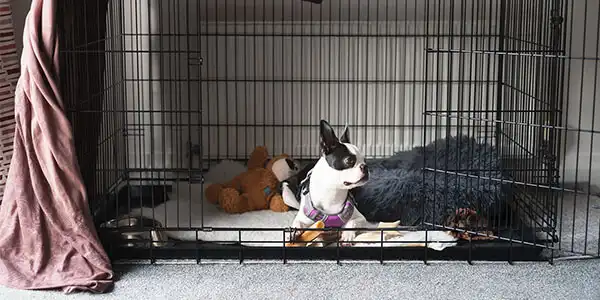
- A dog carrier/crate and/or a cat carrier/crate
- Booties to protect paws in case of debris on the ground
You might also consider these items, especially for pets who are a bit more anxious or easily stressed:
- Veterinary prescription calming medication
- Calming treats
- Calming pheromone spray
- Pet-specific anti-diarrheal supplements
- High-calorie supplements in case your pet won’t eat well due to stress, injury, or illness
If your dog experiences severe crate anxiety and cannot be safely confined, use a secure, well-fitting harness and leash. Keep the leash attached to your body to prevent escape and be prepared to manage your pet’s movement in tight quarters.
A harness and leash may not work well for scared cats. They are likely to do whatever it takes to escape the harness and find a hiding spot or move away from the area. Instead, work on getting your cat comfortable in their carrier now. You can use a towel or blanket in a pinch to wrap up a scared cat and move them safely into their carrier.
Choose a Safe Area
Choose a safe room in your home, such as your basement, cellar, interior hallway, or bathroom without windows.
Make this area safe for both you and your pet to shelter during a tornado by securing heavy objects and removing or securing glass and breakable items.
Set up the crate or carrier underneath a sturdy table or other piece of furniture, if possible, with some familiar bedding for your pet.
Microchip Your Pets
Microchipping your pet is another important step. Collars and ID tags are still very important for your pet to wear, but they can fall off during a storm. A microchip is a permanent form of identification.
Have your pet microchipped and ensure that the microchip registration is up to date with contact information that will be relevant even if you have to leave your home, such as a cell phone number or a friend's contact information in another area.
Review and Practice Your Plan
Review your emergency plan with everyone in your home so they know where emergency supplies are located, where to shelter, and who is designated to care for your pet in the event of a tornado.
Practice going into the safe room with your pet during calm weather and settling in the crate or carrier. Being familiar with the space can decrease stress significantly when a storm hits.
During the Tornado
When a tornado warning is issued, bring your pets inside immediately. Don’t leave them outdoors or allow them to hide somewhere you can’t reach. Take them with you to your designated safe room and secure them in a crate or carrier to prevent injury or escape.
Staying calm is just as important for your pet’s safety as having a secure shelter. Your tone and body language can help reassure them, even during a high-stress event. Speak in a soothing voice, avoid sudden movements, and offer treats or comfort items if safe to do so.
After the Storm
Even after the tornado has passed, there can still be hazards to you and your pet.
- Keep your pets leashed or crated while you inspect your home and yard.
- Don’t allow your pet to drink from standing water, which may be contaminated, and watch for any chemical spills from damaged buildings.
- Broken glass, downed power lines, and sharp debris can all cause injury.
- Be very careful around unfamiliar animals that may have been displaced during the storm.
Watch for signs of stress and trauma in your pet, such as shaking, hiding, vocalizing, or changes in appetite or behavior. If you suspect your pet is injured or sick, contact your veterinarian right away.
If your pet was lost during the tornado, alert your local animal shelters, animal control, and veterinary clinics, check in and post on social media lost-and-found groups, and contact your microchip registry to alert them that your pet is missing.
Medical Considerations for Pets During Tornadoes
Specialty Food
For pets with food allergies or intolerances, keep a two-week supply of their specialty food on hand to avoid running out.
Pets with sensitive gastrointestinal tracts (often triggered by stress) may have a hard time even eating their regular diet in the aftermath of a tornado. Have a small supply of canned food designed for GI disturbances. Your veterinarian can help you select the best option for your pet.
Medical Issues
For pets with medical issues that require regular monitoring or treatment, such as chronic kidney disease that benefits from subcutaneous fluids or diabetes that needs daily monitoring, talk to your veterinarian about an emergency plan. This may include extra supplies that you keep at home.
Check for Injuries
Immediately after the tornado, check over your pet’s entire body for any signs of injury or potential contact with dangerous substances. This is also important in the days following the tornado, especially if your pet has access to the yard where debris can be harmful.
Tornado season can be unpredictable and stressful. Taking the time to prepare now can protect the whole family, pets included. Don’t wait for the sirens to start. Build your emergency kit, practice your plan, and help ensure your pet stays safe when tornadoes strike.
ZPC-05164