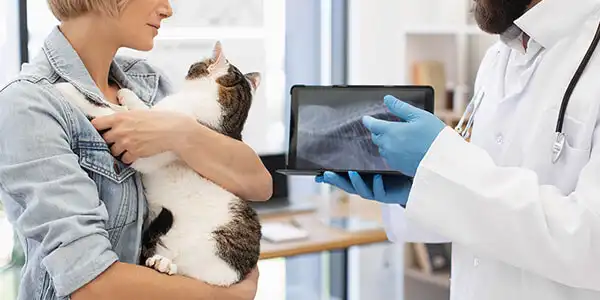
Megacolon might sound like the name of a sci-fi villain, but for cats and their owners, it’s a very real and serious medical condition. If your cat struggles with chronic constipation or shows signs of discomfort when using the litter box, megacolon could be the underlying cause. Understanding this condition, its symptoms, causes, and treatment options is crucial to keeping your cat healthy and comfortable.
What Is Megacolon in Cats?
The colon is the final section of your cat’s digestive tract, responsible for absorbing water from stool and storing waste until it’s ready to be eliminated. Normally, the muscles in the colon contract in a coordinated way, controlled by nerves, to move stool through the colon and out of the body. When these nerves don’t work properly, the colon muscles can’t contract effectively. This leads to severe constipation and, over time, the colon enlarges dramatically—sometimes three to four times its normal size. This enlargement is called megacolon.
Megacolon can be congenital (present from birth) or acquired (occurring at some point during your cat’s lifetime).
Cats of any age, breed, or gender can be affected by megacolon. Those around six years of age, domestic short-haired cats, and males appear to be at greater risk.1 It’s also more common in Siamese cats due to genetic factors, as well as Manx cats, who often have a deformed sacrum (the triangular bone at the end of the spinal column connecting to the pelvis).2,3
What Causes Megacolon in Cats?
There are several reasons your cat may have megacolon, including:
- Chronic or untreated constipation
- Trauma or disease that affects the nerves controlling the muscles of the colon
- Abnormal narrowing of the pelvic canal, either congenital or from trauma
- Trauma, cancer, or a foreign body obstructing the colon
- Perineal hernias (the area between the anus and the external genitalia)
- Anal region paralysis
Signs of Megacolon in Cats
One of the best ways to detect health issues with your cat is by noticing changes in their litter box habits. Frequency and size of bowel movements, stool consistency (liquid or firm), and changes in odor can be clues to your cat's health.
Megacolon typically develops after constipation has been present for a prolonged period. Signs of constipation include:
- Fewer or no bowel movements
- Crying out when pooping
- Straining or having difficulty passing poop (tenesmus)
- Extremely hard poop
- Swollen or painful abdomen
- Lack of appetite
- Vomiting
- Blood or mucus around the anus
- Weight loss
How Is Megacolon Diagnosed?
A veterinarian will start by taking a thorough medical history and performing a physical exam, including checking your cat’s hydration and palpating the abdomen. Megacolon can be felt during examination by your veterinarian. Blood work and urine tests help identify underlying causes. Imaging like X-rays and ultrasounds allow the vet to assess the size of the colon, check for obstructions, and evaluate surrounding tissues.
How to Treat Megacolon in Cats
Cats are often hospitalized for several days after a megacolon diagnosis to receive treatment with:
- Intravenous fluids
- Colon wall stimulants
- Enemas
- High-fiber diets
- Laxatives
- Stool softeners
In severe cases, manual removal of impacted stool under anesthesia may be necessary to relieve discomfort and prevent complications such as vomiting or intestinal obstruction.
If medical treatments don’t resolve the problem or the condition recurs, surgery may be needed. This involves removing part or all of the colon (colectomy) and is typically performed at specialty veterinary centers. Soft stool and diarrhea can occur after the surgery, but many cats return to normal bowel function over time.
Preventing Megacolon
While megacolon isn’t always preventable, it is manageable.
A major factor in the development of megacolon is constipation. You can focus on preventing constipation and catching early signs if it does develop.
Maintain optimal hydration. Feed more wet food, add water to dry and wet food, place multiple water sources around the home, and try a water fountain.
Increase fiber. Add canned pumpkin (1/2 to 1 teaspoon, once or twice daily), green beans (two to five beans, once daily), or a fiber supplement such as psyllium husk powder to your cat’s diet. Start with a small amount and gradually increase it until you achieve the desired result.
Maintain ideal weight. Your veterinarian can work with you on a plan for weight loss or management.
Reduce stress while encouraging movement. Play sessions with you, battery-powered and self-play toys, vertical space for jumping and climbing, puzzle feeders, and removing anxiety triggers can help stimulate the intestines, manage weight, and reduce stress.
Try a prescription diet. Consult with your veterinarian about a diet specially formulated for cats at risk of constipation.
Use probiotics. Probiotics are available with special formulations to help with constipation. They also support a healthy intestinal tract.
Evaluate your litter box setup. Regular litter box use reduces constipation risk. The style, size, location, and cleanliness of a litter box affect whether your cat will use it. The number of boxes and the type of litter are also factors.
Watch for changes in litter box habits. Changes in poop frequency, color, consistency, smell, or ease of the bowel movement mean a call to your veterinarian.
Medical therapy. Your veterinarian may recommend lifelong medical treatment, such as laxatives, stool softeners, and colonic prokinetic agents for cats prone to constipation.
ZPC-04699

- Megacolon: the hard facts. DMV360. https://www.dvm360.com/view/megacolon-hard-facts-proceedings. Accessed June 10, 2025.
- Feline Constipation, Obstipation, and Megacolon: Prevention, Diagnosis, and Treatment. VIN. https://www.vin.com/apputil/content/defaultadv1.aspx?id=3843763&pid=8708. Accessed June 10, 2025.
- Manx Syndrome in Cats. Veterinary Partner. https://veterinarypartner.vin.com/default.aspx?pid=19239&catId=102903&id=10662679. Accessed June 10, 2025.