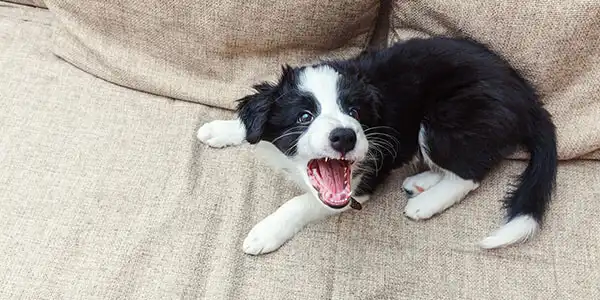
Have you ever noticed your dog suddenly growling or snapping when someone gets close to their favorite toy or bone? This behavior, called resource guarding in dogs, can be confusing and even scary for pet parents. Understanding why it happens and how to address it can help keep everyone safe and happy.
What Is Resource Guarding?
Resource guarding occurs when a dog uses subtle communication signals or more aggressive behaviors to maintain control over something they consider valuable. The goal of resource guarding is simple: keep others (humans or animals) away from their stuff.
Resource guarding is a natural behavior. Dogs are hard-wired to protect their resources. While domestication and breeding have decreased guarding behaviors, it’s not abnormal to see a dog exhibit resource guarding at some point in their life.
Signs of Resource Guarding in Dogs
It’s important to recognize the signs of resource guarding in dogs early. Some signs are easy to miss, while others are much more obvious. Watch for these signals:
Guarding can look different from dog to dog. High-level warning signs include:
- Growling
- Snapping
- Lunging
Lower-level signs look like:
- A stiff body
- Hovering over an item
- Giving a side-eye or hard stare.
Watch for subtle signs of guarding, and don’t push a dog so far that they feel like they need to snap or bite.
Why Do Dogs Resource Guard?
From your dog’s perspective, resource guarding is about survival and security. In the wild, losing a valuable resource like food could mean going hungry. Even though your dog doesn’t have to worry about where their next meal is coming from, those instincts can still kick in.
Some of the most common reasons dogs develop problematic resource guarding include:
- Genetics. Some dogs are prone to guarding due to the selective breeding in their breed history.
- Stressful experiences. If a dog had things taken away from them repeatedly, especially in a way that felt threatening or unfair, they may learn to guard things more heavily in the future.
- Punishment for warning signs. If a dog is punished for growling or other subtle cues, they may stop giving these early warning signals and escalate straight to biting the next time they feel their resources are being threatened.
- Fear of loss. Guarding resources isn’t about being “dominant.” It’s about fear — the fear of losing something they value.
Remember, your dog isn’t being “bad” when they guard. They are doing what they feel they must do to keep their stuff safe.
What Do Dogs Resource Guard?
Dogs can guard anything they consider important — food, a chew toy, a dog bed or spot on the couch, stolen contraband, or even a person. Food aggression in dogs is probably the most recognized form of guarding, but it’s just one of many. Resource guarding may only appear in certain situations or with specific individuals or animals.
How to Prevent Resource Guarding in Dogs
If you’re bringing home a puppy or dog with no known history of resource guarding, there are things you can do to reduce the risk of future resource guarding issues.
Let Them Eat in Peace
Don’t bother your dog when they’re eating or chewing. Let them enjoy their meals in peace. Ensure that access to their eating space is blocked from young children.
Never put your hand in your dog’s food bowl while they’re eating. It often increases resource guarding behaviors. Instead, while they’re eating or chewing on a chew, walk up, calmly drop a high-value treat, then walk away. Repeat once or twice a meal or chew time. This helps teach your dog that being approached at this time results in a positive interaction, rather than something to trigger resource guarding.
Make a Trade
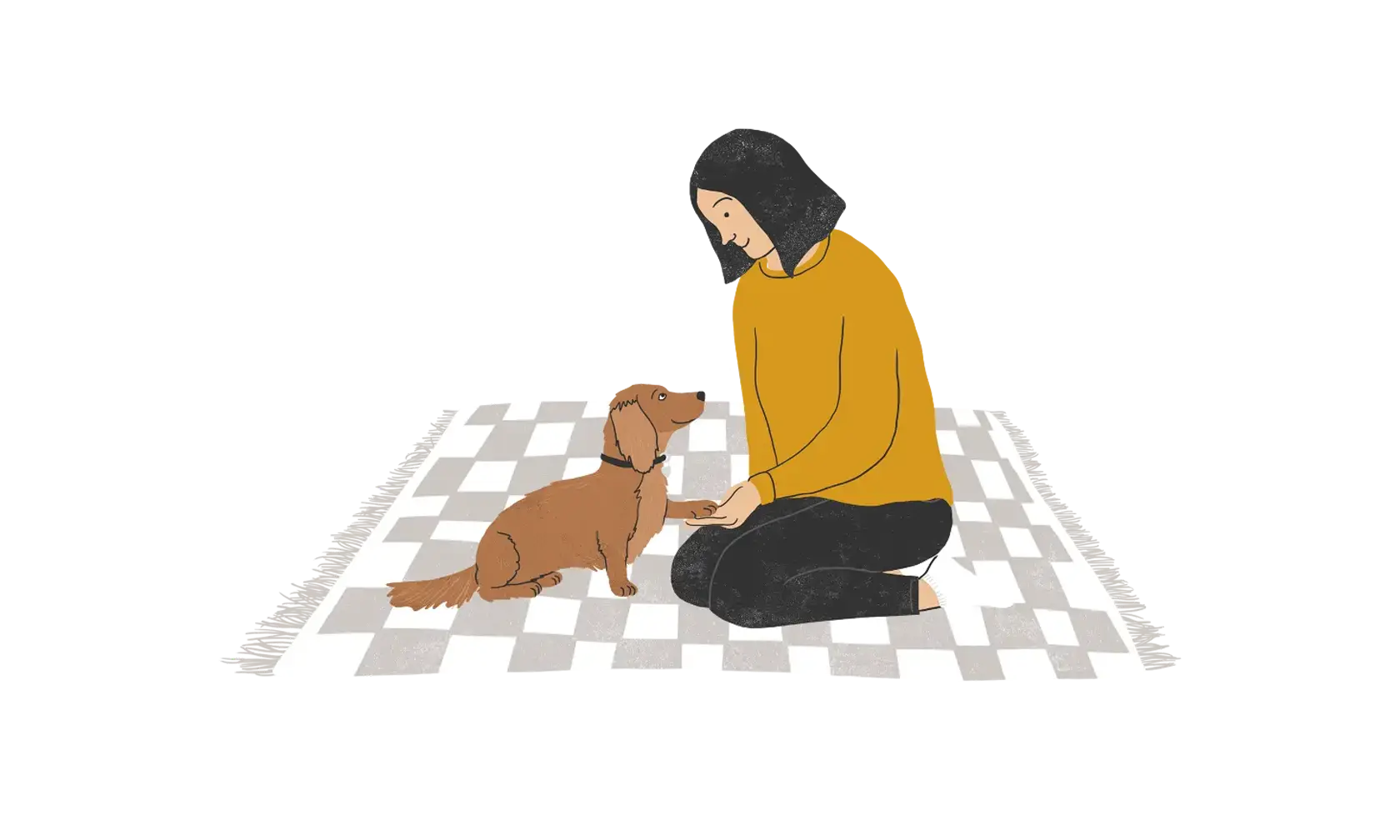
Teach your dog how to trade for items and make these trades worth it. Show your dog that giving something up means they get something better. A well-timed treat or toy swap shows them that there’s no need to panic and guard that resource. After the trade, go ahead and return the original toy or treat.
How to Stop Resource Guarding in Dogs
If your dog already shows signs of resource guarding, don’t panic. You don’t want to ignore it, and trying to “correct” it with punishment can make it worse and more dangerous.
Instead, work with a certified dog trainer or behavior consultant who can create a behavior modification plan to manage and treat the issue. A good behavior plan includes:
- Identifying triggers and thresholds to understand what your dog guards and when
- Managing the environment to prevent rehearsal of the guarding behaviors
- Counterconditioning to gradually change your dog’s emotional response to people or animals approaching their valued resource
- Teaching reliable commands, like drop it, leave it, or go to bed, to help redirect behavior in the moment
In some cases, especially those with severe resource guarding and high risk of bites, it’s best to have a trained professional oversee the process to keep everyone safe.
Resource guarding isn’t a sign that your dog is “bad.” It’s a normal canine behavior, but it can become problematic if left unaddressed. With the right approach, it can be successfully treated.
ZPC-05162