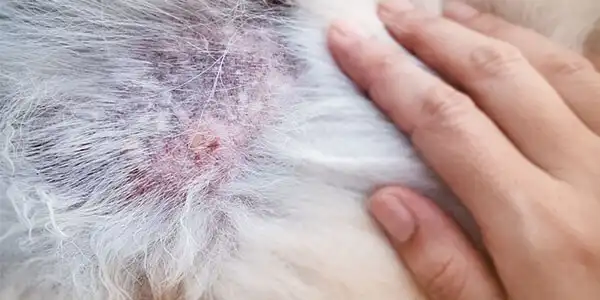

Have you ever felt small, red bumps on your dog’s skin or noticed they’re scratching more than usual? Skin problems are a top reason for vet visits, and one of the most common causes is folliculitis. This condition might look simple, but it could point to deeper health issues. Here's what you need to know about folliculitis in dogs.
What Is Folliculitis in Dogs?
Folliculitis describes infected hair follicles in your dog’s skin. When the follicle gets irritated, it becomes inflamed. In turn, bacteria that naturally grows on your dog’s skin can cause infection.
Folliculitis is a common type of skin infection in dogs. The condition is manageable but if left untreated, can result in growing discomfort and a more serious infection. Folliculitis often is the result of an underlying condition.
While dogs of any age and breed can get folliculitis, breeds prone to allergic skin disease are more likely to have folliculitis. These breeds include Boston Terriers, Boxers, Bulldogs, Dalmatians, French Bulldogs, Golden Retrievers, German Shepherds, Labrador Retrievers, Pit Bull Terriers, Pugs, Scottish Terriers, Shar Peis, Shih Tzus, Spaniels, West Highland White Terriers, and Wired Haired Fox Terriers.1
What Causes Folliculitis in Dogs?
Anything that irritates, damages, or infects the hair follicle can result in folliculitis in dogs. The normal skin barrier protects against bacterial invasion, but in most cases of folliculitis, the barrier is compromised, and infection occurs. Underlying disorders that can increase the risk of folliculitis are environmental allergies or atopy, flea allergic dermatitis, or food allergies.
The other factors that can contribute to folliculitis include:
- Endocrine or hormonal issues, such as hypothyroidism or Cushing’s disease
- Immune system disorders
- Fungal infections, such as ringworm and blastomycosis
- Parasites, including fleas, ticks, mange mites, and ear mites
- Trauma to skin or hair, such as hot spots (pyotraumatic folliculitis) or acral-lick granuloma
The good news is folliculitis is not typically contagious.
Signs Your Dog May Have Folliculitis
The most common signs of folliculitis are itching, redness of the skin, swelling, and hair loss.
You may also notice:
- Darkening of the skin (hyperpigmentation)
- Pimples or pustules
- Papules (red bumps)
- Blackheads
- Circular areas of hair loss with scales or crusts around the border (epidermal collarettes)
- Raw or ulcerated areas on the skin
- Pain around the affected area
Though folliculitis can occur anywhere hair follicles are present, the most common locations include the chin, armpits, groin, and abdomen.
How is Folliculitis Diagnosed in Dogs?
Your veterinarian will take a thorough medical history and perform a physical exam, including checking for fleas and ticks and determine if additional testing is needed.
Your veterinarian may recommend one of more of the following tests:
- Skin scraping to detect mites, such as demodex or scabies
- Skin cytology to identify yeast and bacteria
- Fungal tests
- Bacterial culture and sensitivity
- Skin biopsy and histopathology
- Specialized blood tests to check for Cushing’s disease or hypothyroidism
Treating Your Dog’s Folliculitis
Your veterinarian will develop a treatment plan based on the cause of your dog’s folliculitis.
Treatment for Bacterial Folliculitis
For bacterial folliculitis, treatment generally involves:
- Topical therapies including medicated shampoos, mousses, creams, or sprays may be applied directly to the affected areas
- Oral antibiotics for widespread or deeper infections
- Treatment or management of the underlying medical issues (including allergies, hormonal disorders, or immune system disorders)
- Medications to reduce itch or inflammation
Since bacterial folliculitis is commonly caused by allergies, proper treatment and management of environmental and food allergies will help prevent or lessen the reoccurrence.
Treatment for Fungal Folliculitis
Treatment for fungal folliculitis can include medicated shampoos and topical medication. In some cases, several months of systemic antifungal medication is needed.
Treatment for Parasitic Folliculitis
Folliculitis caused by parasites requires treating the external parasites with parasiticides and managing the folliculitis. If mites like demodex or scabies are the cause, oral medications and shampoos may be needed to kill the mites. Folliculitis caused by fleas and ticks can be prevented by routinely using flea and tick preventives and environmental control.
Folliculitis is common and usually manageable. If your dog has persistent itching, bumps, or hair loss, a vet visit can confirm the cause and guide treatment. With timely care and basic prevention, most dogs stay comfortable and recover well.
ZPC-04941R1

IMPORTANT SAFETY INFORMATION: See full Prescribing Information. Do not use Apoquel or Apoquel Chewable in dogs less than 12 months of age or those with serious infections. Apoquel and Apoquel Chewable may increase the chances of developing serious infections, and may cause existing parasitic skin infestations or pre-existing cancers to get worse. Consider the risks and benefits of treatment in dogs with a history of recurrence of these conditions. New neoplastic conditions (benign and malignant) were observed in clinical studies and post-approval. Apoquel and Apoquel Chewable have not been tested in dogs receiving some medications including some commonly used to treat skin conditions such as corticosteroids and cyclosporines. Do not use in breeding, pregnant, or lactating dogs. Most common side effects are vomiting and diarrhea. Apoquel and Apoquel Chewable have been used safely with many common medications including parasiticides, antibiotics and vaccines.
INDICATIONS: Control of pruritus (itching) associated with allergic dermatitis and control of atopic dermatitis in dogs at least 12 months of age.
Allergies in Dogs. Merck Veterinary Manual. https://www.merckvetmanual.com/dog-owners/skin-disorders-of-dogs/allergies-in-dogs. Accessed August 15, 2024.