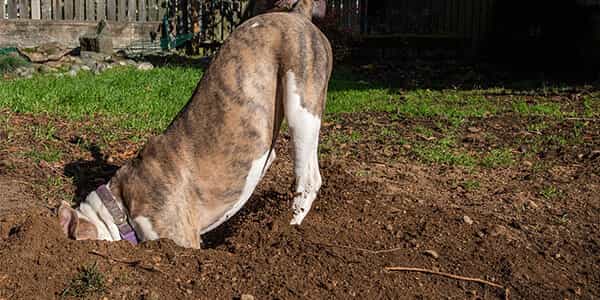
It’s a classic image: a happy dog digging a hole and burying a bone. You’ve probably seen it in cartoons, backyards, and maybe even in your own home. But have you ever wondered why dogs do this?
While it might seem like a quirky or funny habit, burying bones is actually an ancient instinct that comes from a dog’s wild ancestors. Let’s look at why dogs bury bones and when — if ever — you should step in to manage the behavior.
A Look Back: Why Wild Dogs Buried Food
Burying bones and other food items can be traced back to our dogs' wild ancestors. When food wasn't always plentiful, wolves and other canids were faced with the dilemma of what to do when they did have an overabundance of meat.
Leaving it to other scavengers would be wasteful, and they couldn't be sure when their next meal would be. As a result, they would bury the bones to hide them from other animals and come back to eat them later. This is called "caching", an instinctual behavior that ensures survival when food is scarce.
Burying bones and food could also serve as a preservation method, whether these animals knew it or not. Underground, food is kept cooler and is somewhat protected from spoiling too quickly.
Why Does My Dog Bury Bones?
While your dog doesn't face the same survival challenges as their wild ancestors, the instinct to bury bones, toys, and treats persists. Dogs can bury bones for a variety of reasons:
- Instinct. The innate tendency to hide their valuable food resources is strong.
- Boredom. A dog may bury items simply because they're looking for something to do.
- Saving for later. Dogs might be done chewing on a bone at that moment but want to come back to it later. They need somewhere to store it.
- Territorial behavior. Burying things can also be a way to claim them and keep them away from other pets in the home.
- Insecurity. Some dogs may hide their bones as a way of creating food security for themselves. This may be seen in dogs who have experienced food insecurity in the past.
Is Burying Bones Bad?
In most cases, burying bones is normal and harmless. It’s part of being a dog. However, it can sometimes cause practical issues — like holes in your yard, spoiled food indoors, or unwanted visits from wildlife.
If your dog’s burying behavior is bothering you, it’s not about stopping the instinct — it’s about redirecting it in healthy ways.
How to Manage or Prevent Unwanted Bone Burying
Provide Mental Enrichment
Ensure your dog gets plenty of physical exercise and mental stimulation. Use interactive puzzles for feeding, provide regular chewing opportunities, and take them on sniffing adventures. This helps meet their instinctual needs in other ways than burying bones.
Create a Safe Space
If you have multiple dogs at home and notice the burying behavior happens when one dog tries to hide their bone from the other, create safe spaces for them to chew separately. When you notice that one dog is done chewing but may have leftovers, show them that you have put the item out of reach of the other dog.
Build a Dig Pit
If you have an excessive digger, designate a specific area where they are allowed to do so. This may be a specific spot in your yard, or you can create a dig pit, like a sand pit for children, or even use a kiddie pool filled with dirt or sand.
To entice your dog to use this area, bury a bone for them to find or bury some of their favorite toys. Dig with them in this area. If you notice them burying bones or digging in other "non-approved" areas of your yard, calmly interrupt and redirect them to their dig pit. Having a dig pit means you can go and retrieve any buried food items before wildlife finds them or the items spoil.
Consult a Certified Dog Trainer
If your dog's burying behavior becomes excessive, you may need to consult with a certified dog trainer your veterinarian or behavior consultant. They can help with advice and strategies to mitigate this behavior, especially if it is caused by stress or anxiety.
Punishment for burying things may lead to increased fear and anxiety around resources. By providing appropriate outlets, mental enrichment, and management, you can help manage their burying habits in a way that's healthy and satisfying for them.
Burying bones might look funny or even frustrating at times, but for your dog, it’s a natural and deeply rooted behavior. Understanding why they do it helps you respond with patience instead of punishment. By providing mental enrichment, safe spaces, and healthy outlets for digging, you can help your dog express their instincts in positive ways — and keep your yard (and home) in one piece.
ZPC-05212