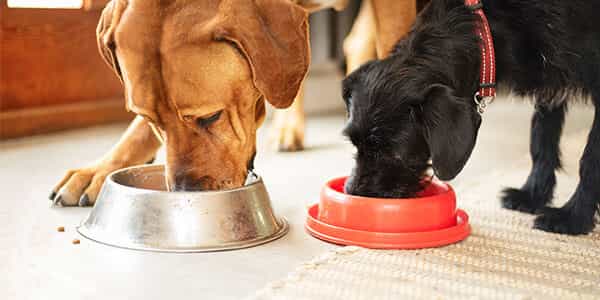
Understanding your pet’s dietary needs is one of the most important parts of being a responsible pet parent. With so much information online and in advertisements, it’s easy to get confused about what’s best for your dog or cat. Whethter your pet is a carnivore or omnivore affects what they should eat to stay happy and healthy. If you’re vegan, vegetarian, or have other dietary preferences, you might wonder if your dog or cat can eat the same way. Understanding how your pet is built to eat helps you make the best choices for their health, wellness, and longevity.
What Are Carnivores and Omnivores?
- Carnivores are animals that rely on meat for their nutritional needs. While they might eat some plants, their bodies are built to thrive on meat. Carnivores are divided into three main groups:
- Hypercarnivores (also known as obligate carnivores) need more than 70% of their diet to be meat.
- Mesocarnivores thrive on a diet that’s about 30% to 70% meat.
- Hypocarnivores eat less than 30% meat.
Some carnivores are called facultative carnivores, meaning that they thrive on a meat-based diet but can digest and benefit from plant-based food. This could land them in both the mesocarnivore and hypocarnivore classifications.
Omnivores, on the other hand, are more balanced in their intake of both meat and plants. They don’t need meat as their main food source to survive. They can get the nutrients they need from a wide variety of foods.
It’s easy to confuse omnivores with mesocarnivores or facultative carnivores. The main difference is that carnivores thrive on meat, while omnivores thrive on a balanced diet of meat and plants.
About 63% of animal species today are carnivores, while only around 3% are omnivores. 32% are herbivores eating plant-based diets.1
Cats are Obligate Carnivores
Are cats carnivores? Yes—cats are obligate carnivores (hypercarnivores). This means they must have a primarily meat-based diet to stay healthy. They can’t get the nutrients they need from plants alone.
Why Cats Need Animal Protein
Cats have higher protein requirements compared to other mammals, including dogs.2 To receive enough protein, they require an animal-based diet. Cats can’t make certain essential nutrients on their own, like:
- Taurine: Cats can’t synthesize this amino acid, which is only found in animal protein. Without enough taurine, cats can develop blindness or heart disease.
- Arginine: Another amino acid found in animal protein. A lack of arginine can cause dangerous levels of ammonia in the blood, leading to severe health problems.2
Compared to an omnivore, a cat’s digestive system is shorter, and their stomach is more acidic. This allows them to digest and utilize protein and fats from meat efficiently, but they’re unable to absorb adequate protein and other nutrients from plant sources efficiently.
What Being an Obligate Carnivore Means for Your Cat
- Meat is a must. Cats can’t live on a vegan or vegetarian diet. They need animal protein for essential fatty acids and amino acids.
- Raw meat isn’t always safe. Feeding raw meat can cause vitamin and mineral deficiencies and put your cat at risk for bacteria and parasites. Always consult a vet before changing your cat’s diet.
- Carbohydrates aren’t required. While many cat foods contain some carbohydrates, these should be minimal and listed at the end of the ingredient list. Some cats with medical needs may need more carbs, so talk to your vet.
If you have any questions about how to best meet your cat’s nutritional needs for optimal health and wellness, consult with your veterinarian or a board-certified veterinary nutritionist.
Dogs Are Facultative Carnivores
Are dogs omnivores or are dogs carnivores? There’s a long-running debate on this question, since both of those classifications eat meat and plants. You can find healthy arguments on both sides, but looking at genetics and anatomy, facultative carnivore seems to be the best match for dogs.3
How Dogs’ Diets Are Different
- Domesticated dogs have evolved to digest starch. They have genes that help them break down foods like rice and wheat, unlike their wolf ancestors.5
- Dogs have the MGAM gene, which helps them digest plant matter.
- Their intestines are longer than a carnivore’s but shorter than a true omnivore’s or herbivore’s. This means they can eat plants but still need a meat-based diet.
What Being a Facultative Carnivore Means for Your Dog
Vegan and vegetarian diets can be challenging for dogs, putting them at risk of protein and nutrient insufficiencies and unbalanced fats, if the recipes aren’t very carefully constructed.6
Studies indicate that dogs exercising on an unbalanced plant-based diet can develop anemia.4 Even with a vegetarian diet that includes some animal products, but avoids meat, it’s extremely challenging to provide everything your dog needs.
Dogs need a high-quality protein source, such as chicken, beef, or fish. Complex carbohydrates are also important, such as peas, carrots, and sweet potatoes. These provide a steadier source of energy because they take longer to break down.
Along with a complex combination of vitamins and minerals, dogs can benefit from ingredients such as beet pulp (soluble fiber) and hulls of grains (insoluble fiber) to help them regulate their blood sugar and poop regularly.
Your veterinarian or a board-certified veterinary nutritionist is a perfect resource if you need help with your carnivore’s diet.
Supporting Your Pet’s Health Through Diet
Understanding if your dog or cat is a carnivore or omnivore helps you make the best nutrition choices for their health and happiness.
Consult your veterinarian before making any major changes to your pet’s diet, and always choose food that supports their unique needs as a carnivore or omnivore. This will help your pet live a long, happy, and healthy life.

ZPC-05298

- The World’s First Animal was Probably a Carnivore. Science. https://www.science.org/content/article/world-s-first-animal-was-probably-carnivore. Accessed August 18, 2025.0
- Feline Nutrition Update. World Small Animal Veterinary Association World Congress Proceedings, 2001. https://www.vin.com/apputil/content/defaultadv1.aspx?id=3843764&pid=8708&print=1. Accessed August 18, 2025.
- Impact of Dietary Protein on Cat Health and Wellbeing. Research Outreach. https://researchoutreach.org/articles/impact-dietary-protein-cat-health-wellbeing/. Accessed August 18, 2025.
- Are Dogs Carnivores? Here’s What New Research Says. VetStreet. https://www.vetstreet.com/our-pet-experts/are-dogs-carnivores-heres-what-new-research-says. Accessed August 18, 2025.
- Diet Shaped Dog Domestication. Science. https://www.science.org/content/article/diet-shaped-dog-domestication. Accessed August 18, 2025.
- Domínguez-Oliva A, Mota-Rojas D, Semendric I, Whittaker AL. The Impact of Vegan Diets on Indicators of Health in Dogs and Cats: A Systematic Review. Vet Sci. 2023 Jan 12;10(1):52. doi: 10.3390/vetsci10010052. PMID: 36669053; PMCID: PMC9860667