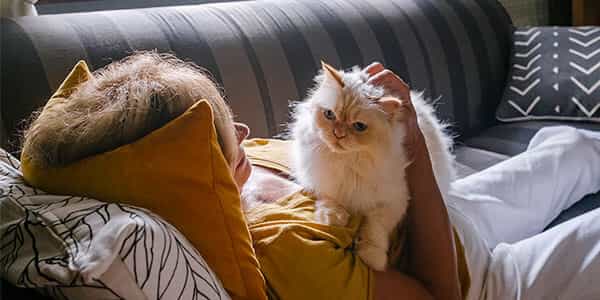
Brachycephalic cats are beloved for their distinctive flat faces and sweet expressions. But while these unique features make them especially appealing to many cat owners, they can also come with important health and welfare challenges.
Caring for a brachycephalic cat means understanding their specific needs and being prepared to provide extra support throughout their life. From daily care at home to regular veterinary attention, these cats often require a more tailored approach to stay healthy and comfortable. By learning about the challenges they face, you can help your brachycephalic cat enjoy a long, happy, and fulfilling life.
What Are Brachycephalic Cats?
The term brachycephaly is derived from the Greek words “brakhu,” meaning short, and “cephalos,” meaning head.1 These cats are selectively bred to have shortened skull bones. This results in the wide skull, short muzzle, and wide eyes that create an exaggerated “flat” face appearance.
Brachycephalic Cat Breeds
The popularity of brachycephalic cats can’t be denied since they held three of the top ten spots for the most popular cats in early 2026.2
The common brachycephalic cat breeds include:
- British Shorthair and Longhair
- Burmese
- Exotic Shorthair and Longhair
- Himalayan
- Persian
- Scottish Fold3
- Selkirk Rex4
Each of these brachycephalic cat breeds has its own personality, but they all share similar facial structures and health concerns.
Brachycephalic Cat Health Concerns
Because of their facial structure, brachycephalic cats face several health risks:
- Breathing problems. Snoring, noisy breathing, and serious respiratory issues are common. Brachycephalic Obstructive Airway Syndrome (BOAS) in cats is a major concern.
- Dental disease. Overcrowded teeth can lead to malocclusion and periodontal disease.
- Eye disorders. Issues include entropion, corneal ulcers, infections, and excessive tearing.
- Heart issues. Breeds may develop hypertrophic cardiomyopathy.
- Heat sensitivity. Brachycephalic cats are more likely to suffer heatstroke.
- Skin fold dermatitis. Moisture in facial folds can cause fungal and yeast infections.
- Other risks. Some cats have neurological or spinal anomalies, and obesity can make all health issues worse.
Signs to watch for include labored breathing, blue-tinged gums, exercise intolerance, frequent eye squinting, or discharge. If you notice any of these, seek veterinary care promptly.
Brachycephalic Cat Breeds Health Overview5
| Breed | Lifespan (years) | Head Shape | Common Health Risks |
|---|---|---|---|
| British Shorthair and Longhair | 13 to 17 | Massive, broad, and deeply round | Heart disease, eye conditions, dental disease |
| Burmese | 13 to 17 | Rounded with a short muzzle | Eye conditions, diabetes mellitus, dental disease |
| Exotic Shorthair and Longhair | 13 to 17 | Round head, slightly less flat than Persian | Breathing, tear staining |
| Himalayan | 13 to 17 | Broad, flat face, similar to Persian | Respiratory disease, kidney disease |
| Persian | 13 to 17 | Very short, broad skull, flat face | Airway issues, eye ulcers, dental issues |
| Scottish Fold | 13 to 17 | Well- rounded with prominent cheeks | Heart disease, kidney disease, ear disease |
| Selkirk Rex | 13 to 17 | Round and full cheeks with no flat planes | Heart disease, kidney disease, dental disease, eye conditions, GI issues, obesity |
For more information on brachycephalic cat breeds, check out Breed Explorer.
What is Brachycephalic Obstructive Airway Syndrome?
A major health concern for brachycephalic cat breeds is Brachycephalic Obstructive Airway Syndrome (BOAS). This condition involves several airway abnormalities:
- Elongated soft palate. The roof of the mouth is too long, blocking airflow.
- Everted laryngeal saccules. These tissues get pulled into the airway, making breathing harder.
- Hypoplastic trachea. The windpipe is smaller than normal.
- Stenotic nares. Small nostrils restrict airflow.6
BOAS can also affect the eyes, gastrointestinal tract, lungs, skin, and teeth. It puts extra strain on the heart, so early recognition and management are key.
Veterinary Care for Brachycephalic Cats
Proactive and responsive veterinary care is essential for your brachycephalic cat’s health and comfort.
First Exam
Have your brachycephalic-savvy veterinarian perform a baseline exam right off the bat, including an airway assessment, eye staining tests, heart exam, and dental exam. They may also recommend bloodwork, radiographs, and a urinalysis to establish your cat's baseline values while your cat is healthy.
When to Seek Specialist Care
If your cat shows signs like blue-tinged gums, labored breathing, profound exercise intolerance, fainting, or collapse, get emergency veterinary care.
Caring for Brachycephalic Cats at Home
Simple preventative care as part of your cat’s daily routine at home is just as important as veterinary prevention.
Breathing & Heat Management
- Keep your cat cool to make breathing easier. Use air conditioning, fans, raised or cooling beds, etc.
- Keep humidity low. Using dehumidifiers on high-humidity days helps ease breathing.
- Manage stress and exertion. Stick with gentle play, frequent rest, and no forced exercise.
- Recognize heatstroke. If you see panting, drooling, weakness, and collapse, start immediate cooling and seek veterinary care.
- Avoid a restrictive cat wardrobe. Tight collars and clothing can make breathing more difficult and increase body temperature.
Eye Care
- Daily tear cleaning. Use sterile wipes and saline to clean the eye area and help reduce excessive moisture.
- Monitor your cat’s eyes for ulcers. Watch for squinting, cloudiness, or pawing at the eye.
- Trim nails to protect eyes. Short nails mean less likelihood of scratching their eyes if they paw or rub them.
Dental Support
These breeds are prone to dental issues from teeth overcrowding. A regular dental care routine is essential. Consider:
- Dental gels applied to the teeth and gums
- Water additives that support dental health
- Treats that carry the Veterinary Oral Health Council (VOHC) seal
Nutrition
- Diet type. Kibble should be small in size for ease of chewing. Kibble can also help with dental health, while incorporating wet food helps with hydration
- Treats. Choose safe treats that work well for short muzzles, like soft lickable treats to reduce jaw strain and prevent tooth fractures. Avoid large, dense, or stringy treats.
- Weight control. Managing your cat’s weight reduces breathing strain, chronic inflammation, and predisposition to diabetes mellitus, orthopedic issues, and cancer.
Grooming & Skin Folds
Skin folds hold moisture, which can cause fungal and yeast infections. Clean these folds regularly. That’s also a great time to examine your cat’s skin for infections, redness, odor, or discharge, especially in those skin folds.
Choosing a Brachycephalic Cat Responsibly
While it’s easy to get caught up in the cuteness of brachycephalic breeds, consider the impact of preventative care, health and genetic concerns, and adopting from a rescue vs. using a breeder before you make a decision.
Here are some of the things to think about:
Testing
Research health and genetic testing recommended for brachycephalic breeds, such as:
- Airway assessment
- Eye exam
- Heart exam
- Polycystic kidney disease (PKD) genetic test
- Hypertrophic cardiomyopathy (HCM) genetic test
Pet Insurance
Talk to your preferred pet insurance provider about any coverage limitations specific to brachycephalic breeds, including whether they cover pre-existing and hereditary conditions and the common brachycephalic cat surgeries.
Breeders
Be sure the breeders you’re considering are committed to thoughtful breeding choices and raising healthy cats. Ask about things like:
- Breeding practices
- Health history (such as whether the parents or past litters needed corrective airway surgery or have a history of eye, skin, kidney, or heart issues)
- Whether the parents or kittens make noise while breathing, such as snoring, snorting, or wheezing
It should be a red flag if the breeder is hesitant or declines to answer your questions or to provide documented medical information.
Whether you already have a brachycephalic cat in the family or are considering adding one, you’re on an exciting journey. Set you and your cat up for success by doing your research and being prepared to meet their unique needs while you appreciate their equally unique features.

ZPC-05497

- Brachycephaly. National Library of Medicine. https://pubmed.ncbi.nlm.nih.gov/33620786/. Accessed May 26, 2026.0
- Most Popular Breeds for 2026. The Cat Fancier’s Association. https://cfa.org/cat-talk/most-popular-breeds-for-2026/. Accessed May 26, 2026.
- Flat-faced or Brachycephalic Cats. Cats Protection. https://www.cats.org.uk/extreme-traits/brachycephalic-cats. Accessed May 26, 2026.
- Filler S, et.al. Selkirk Rex: morphological and genetic characterization of a new cat breed. J Hered. 2012 Sep-Oct;103(5):727-33. https://pmc.ncbi.nlm.nih.gov/articles/PMC3695623/. Accessed May 26, 2026.
- Breed Explorer. https://www.zoetispetcare.com/breed-explorer. Accessed September 24, 2026.
- Brachycephalic Airway Syndrome in Cats. VCA Animal Hospitals. https://vcahospitals.com/know-your-pet/brachycephalic-airway-syndrome-in-cats. Accessed May 26, 2026.