
Kittens are energetic, playful, and curious. They require intentional care to keep them safe and healthy. Learning about your kitten's basic needs from nutrition and health care to safety and normal cat behavior will help your new kitten thrive.
Bringing Your New Kitten Home
Bringing a kitten into a new environment can be hard, so take it slow and gradually introduce them to their new home.
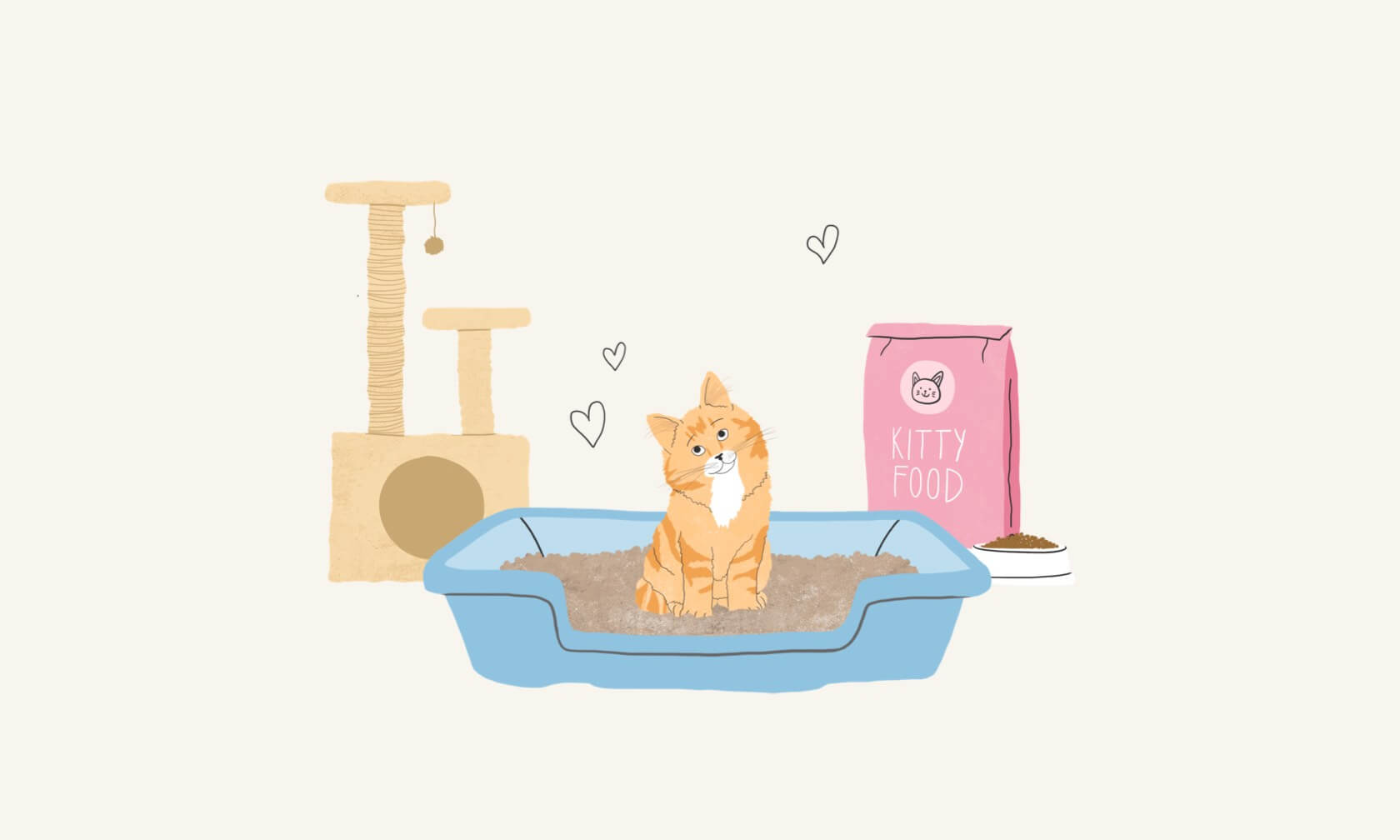
Start by letting your new kitten acclimate to one room of the house. Be sure the room is safe and secure and contains a litter box, hiding area such as a cat carrier, raised perch or cardboard box, water, food, a scratching area, toys, and bedding. As your kitten gets comfortable in their new space, gradually allow access to more areas of your house.
After your kitten has settled in, you may slowly introduce them to other pets.
Essential Supplies for Your Kitten
Have these supplies ready for your kitten prior to bringing them home, so you can focus on getting them comfortable and building a bond.
Food and Water Bowls
Provide separate dishes for water and food. Shallow, wide, ceramic, stainless steel or glass bowls are preferred over plastic which are more difficult to clean and disinfect.
Litter Box & Litter
Start with a litterbox with at least one low side so they can easily get in and out. As your kitten grows, their litterbox will, too. The right litterbox setup will set you both up for success.
There are many types of litter to choose from, but a low-dust, fragrance-free litter is best. Choose a small pellet or non-clumping litter for the safety of kittens under four months. Kittens will eat litter or lick it off their paws. Clumping litter can harden in their digestive system. After four months, you may transition to a fine grain, clumping litter if desired.
A Comfortable Bed and Hiding Spots
Find options that provide a cozy place to rest and hide to ensure they feel safe and secure.
Kitten Food
Select a food formulated and balanced for kittens. Kitten food is high in protein and energy-dense — be mindful of overfeeding. Please consult your veterinarian for the best type and amount of food for your kitten
Pet Carrier
A pet carrier is needed for safe travel and can double as a safe hiding place in your home. It should be well-ventilated easy to open, and large enough for the kitten to lay down comfortably. Adding a favorite blanket or towel, keeping the carrier in a familiar room, and periodically placing treats inside will help your kitten be more comfortable with the carrier.
Grooming Tools
Nail trimmers, brushes and combs (especially for long-haired cats), dry cat shampoo or cleaning wipes (unscented and for sensitive skin), pet ear cleaner, tiny kitten toothbrush, and cat-specific toothpaste.
Scratchers
Posts, mats, cardboard — try different types of scratchers to see what your kitten enjoys. Getting them used to scratchers early in life will help prevent them from scratching on furniture.
Cat Toys
Toys are essential to a cat’s happiness. Ensure the toys cannot splinter, tear apart, be swallowed, or have sharp, hard points. Look for toys made for kittens. Note which can be left out and which need supervision.
Kitten-Proofing Your Home
Now that you have the essentials, it's time to kitten-proof your home. Kittens are mini explorers who may squeeze into surprisingly small spaces and discover things to chew on that they shouldn’t. Create a safe home by kitten-proofing:
Strings, Wires, Fringe, and More
Secure and cover electrical cords, secure cords from blinds and curtains, and secure tablecloths, trinkets, fringe, and other décor that might grab your kitten's attention. Bathroom items like cotton swabs and hair ties can be an issue. Rubber bands, children's toys, craft supplies — anything that can fit in a kitten's mouth should be secured. Get down on your hands and knees and look at your home from your kitten's level.
Entrances
Ensure all doors and windows are securely closed so your kitten can't escape.
Edible Items
Things like human food and all medications should be kept behind elevated, closed, and locked cabinets. Kittens can easily open doors, drawers, and trash cans. Use pet-proof or child-proof gadgets to secure these items.
High Spaces
Cats love high spaces. Be sure your kitten can't access unsafe or unstable shelves and remove fragile or heavy items that may injure them.
Nooks and Crannies
Eliminate any little nooks where they can get trapped, like open vents, behind cabinets, inside recliners, etc.
Washer, Dryer, and Other Appliances
Always keep your washer and dryer doors closed. Check that your kitten hasn't jumped in before using these or other large appliances.
Bathrooms
Secure or remove all potential hazards including hair ties, cords, and cotton swabs, and always keep the toilet seat down, and ensure medicine cabinets are securely locked.
Plants
Be sure your plants aren't toxic to your kitten. Ideally, place them out of reach.
These are just some of the hazards to be aware of. Monitor your kitten and make necessary changes as you see what they tend to get into.
How Much and How Often to Feed Your Kitten
Pet obesity is on the rise. Start early with good feeding habits.
Canned food, specifically formulated for kittens, is beneficial since it's lower in carbohydrates and higher in moisture content than dry food.
Feed your kitten based on their caloric needs rather than portion sizes. Your veterinarian is the best source for your kitten's daily caloric goal to reach and maintain their ideal body weight.1
Once you know your kitten's daily caloric requirement, divide it into small, frequent meals throughout the day. Aim for at least three or four. Cats start to get hungry after about four hours without access to food.
The calorie content for every brand and type of food varies. Be sure to read the label to determine the calorie content of your food and work with your veterinarian to ensure a proper diet.
Finding a Veterinarian for Your Kitten
Your kitten's veterinarian will play a vital role in supporting a happy and healthy life. Choosing a cat-only or cat friendly practice can make visits less stressful for your kitten. Look for clinics that offer low stress, positive clinic experiences and understand the unique needs of cats. Don’t hesitate to ask questions and read reviews to ensure the clinic is the right fit for you and your kitten.
Your Kitten's First Veterinary Visit
Your kitten's first veterinary visit is key for their health and future comfort. You can ensure a positive veterinary experience by offering their favorite treats before and during the visit, sitting in a quiet area of the lobby or waiting in the car prior to the visit, and avoiding unfamiliar animals while waiting in the lobby.
At the vet, your kitten may receive the following:
- Vaccines
- Parasite treatment
- Parasite prevention
- Diagnostics
Feel free to ask questions during the visit and don’t hesitate to follow up afterwards if you need more information or clarification.
Play and Mental Enrichment for Your Kitten
Play and mental stimulation is vital to your kitten’s happiness. Proper play and socialization reduce aggression and other behavioral problems in the future. Kittens are naturally high energy and wired to practice hunting and defensive skills, especially in their first two years. Play and mental enrichment reduce play aggression, burn energy, and build confidence.
A bored kitten may get into trouble. Provide plenty of structured play time and ensure the environment provides hiding places, climbing spaces, and scratching surfaces to support their needs.
Training Your Kitten
Believe it or not, you can train cats. Kittens are quick learners and starting early helps your kitten grow into a confident cat. Training isn’t only about tricks: it’s about helping your kitten feel safe in new places and around new people or pets. It also helps them accept nail trims, brushing, and dental care.
Training can turn potentially scary, stressful situations into playful adventures. Plus, it is a great way to bond, reduce anxiety and prevent inappropriate behaviors. Try teaching your kitten to sit, ring a bell, or fetch. These activities are fun and provide fantastic mental enrichment.
ZPC-04841

The Complete Feeding Guide From Kittens to Seniors. Cats.com. https://cats.com/cat-feeding-guide. Accessed March 20, 2024.