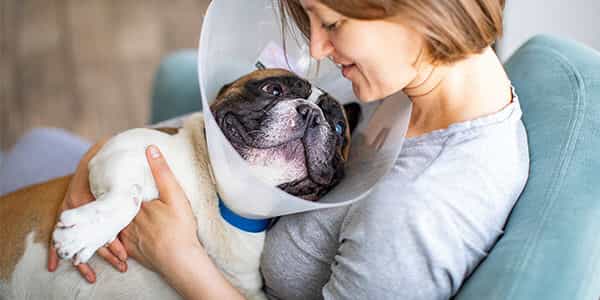

Seeing your pet go through surgery can feel overwhelming, but your care is key to their recovery. The first days at home are about comfort, safety, and giving your pet time to heal. Understanding what to expect after pet surgery helps you plan and reduces stress for both you and your furry family member.
Whether you need dog post-surgery care or cat post-surgery care, knowing the basics will help you create a calm, healing environment.
What to Expect After Pet Surgery: The First 72 Hours
Pets often act differently right after surgery. Mild grogginess, unsteady walking, and extra sleep are normal as anesthesia wears off. Appetite usually returns slowly, and small meals are best at first. Bathroom habits may change — delayed stool, first urine timing, and cats may use their litter box more or less. Always keep the cone on unless your veterinarian says otherwise.
Typical Recovery Timeline
• 0–6 hours: Your pet may be tired, confused, and less interested in food. Offer water in small amounts.
• 6–12 hours: Small, frequent meals; monitor for nausea or vomiting. Dogs should have leash-only potty breaks; cats need a low-entry litter box nearby.
• Day 1: Appetite starts to return. Continue quiet rest and limit movement.
• Day 2: Gradual improvement in alertness. Check incision site, keep cone on.
• Day 3: Mild swelling/bruising should begin to improve. Contact your veterinarian if you see concerning signs.
Questions about Medication and Care
Ask your veterinarian about:
- Medication names, doses, and timing.
- How long medications should be given.
- Possible side effects and what to do if you miss a dose.
- Tips for giving medications (crushing pills, mixing with food, flavor options).
- Movement restrictions and what progress to expect each day.
Quiet Zone for Rest and Movement
Depending on the type of surgery, you will need to restrict your pet’s activity for two to six weeks (based on your vet’s advice). This means you should cover slick floors so your pet won’t slip and for:
- Dogs: use a crate, pen, or small room with non-slip surfaces. Gentle leash walks for potty breaks.
- Cats: confine to a small room with food, water, and a low-entry litter box nearby. Remove furniture to prevent climbing.
Key Resources for Post Surgery Care
Your pet may need a few special items to make recovery more comfortable.
- Ask your vet if your pet needs a special diet or feeding schedule.
- Raised bowls for pets wearing cones.
- Low-entry litter box for cats.
- Paper or non-clumping litter to keep incisions clean.
- Sling for dogs needing stability during walks.
Cones & Alternatives
When your pet leaves the veterinary hospital, they will likely be wearing a properly fitted cone. This is critical to help prevent damage to the incision from licking, chewing, or scratching.
- Keep cones or coverings on unless your vet says otherwise.
- Check that your pet can eat, drink, lie down, and use the litter box.
- Ask about alternatives like inflatable collars, soft cones, or recovery suits.
Daily Post-Surgery Routine at Home
Now that you’ve prepared for your pet’s surgery, it’s time to think about their day-to-day recovery needs. Your veterinarian may have other special instructions based on your pet’s procedure.
Food & Water
- Avoid feeding within two hours of arriving home, as it may cause vomiting.
- Start with frequent small meals for the first day or two.
- If eating well after day two, return to their normal diet.
- You can soften or warm food to encourage eating or add flavor enhancers like pet-specific broth or gravy.
- Give water in small amounts at first.
Potty Breaks & Litter Box Logistics
- Dogs: Short, frequent leashed potty breaks. Avoid stairs or use a ramp. Watch for straining or discomfort.
- Cats: Litter box close to rest area. Low sides. Monitor visits. If no urine in 24 hours or no stool in 48 hours, call your vet.
- Add water to wet/dry food. Increase wet food. Use pet-safe flavoring. Ask your vet about fiber supplements or stool softeners if needed.
Incision Care
You generally won’t be asked to clean the incision or change bandages, as long as the area stays clean and dry. You should be prepared to:
- Check incision site twice daily with clean, dry hands. For cats, gently part fur to see incision.
- Keep area dry; don’t let your pet lick or chew. Cone on when unsupervised.
- Take daily photos for tracking and sharing with your vet.
If you notice any of the following, contact your veterinarian immediately:
- Excessive bruising or swelling
- Drainage of fluid or pus
- Loose or missing sutures
- Openings or gaps in the incision
- Continued bleeding
- Foul odor
- Extreme pain when gently touched
Medication and Pain Control
Your veterinarian has prescribed pain medication and specific scheduling to minimize discomfort. Other medications may be used to prevent infection, reduce inflammation, manage vomiting, and keep your pet calm.
- It’s essential to give all medications as prescribed, never skipping a dose or stopping early.
- Set reminder alarms and create a chart so everyone knows what meds were given and when.
- Never give your pet human medications unless directed by your veterinarian.
- Some drowsiness is normal, especially if your pet is on calming medication.
Be sure to monitor your pet for any adverse reactions to their meds that warrant a call to your veterinarian, such as:
- Vomiting
- Diarrhea
- Change in appetite beyond what’s described above
- Drooling
- Difficulty walking
- Breathing problems
- Shaking
- Intense itching
- Black stool
- Extreme sedation
Stress Management
The more relaxed your pet is, the better their recovery is likely to go. Here are a few ways to help reduce stress as they heal:
- Use a pheromone diffuser.
- Use calming treats.
- Give gentle affection and keep the daily routine calm.
- Minimize visitors and loud noises to avoid overstimulation and confinement anxiety.
- For anxious pets, ask your veterinarian about calming supplements or medications.
Follow-Up Appointments and Getting Back to Normal
Healing time varies by pet and procedure. Your veterinarian will give you a general idea of what to expect after your pet’s surgery and when. Here are a few milestones to prepare for:
- Typical suture removal or reevaluation happens around 10–14 days.
- Gradual activity reintroduction once cleared: short on-leash walks for dogs, adding vertical space for cats.
- Full baths or swimming can resume after your vet gives the OK.
- Bring photos, appetite logs, and behavior notes to follow-up appointments.
A calm space, consistent medication, and a few daily checks go a long way in post surgery care. Trust your instincts and reach out to your veterinary team with any concerns. Your attention and care make recovery smoother and strengthen the bond between you and your pet.
ZPC-05437

Important Safety Information: Use Cerenia Tablets for acute vomiting in dogs 2 months and older, and for prevention of vomiting due to motion sickness in dogs 4 months and older. Safe use has not been evaluated in dogs with gastrointestinal obstruction, or those that have ingested toxins. Use with caution in dogs with hepatic dysfunction. In people, topical exposure may elicit localized allergic skin reactions, and repeated or prolonged exposure may lead to skin sensitization. See Prescribing Information.