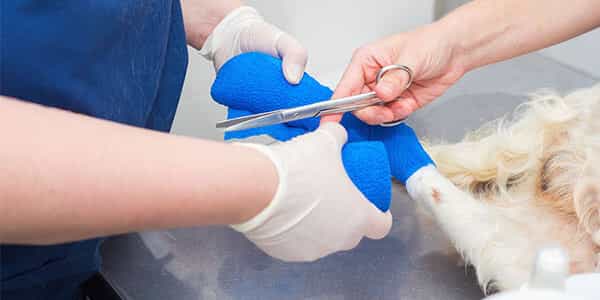
A dog's toenails endure a lot of abuse through digging, scratching, running, and being chewed on. It’s no wonder they suffer a variety of injuries that you should be prepared for.
By understanding what causes nail injuries, how to spot the signs, and what to do when they occur, you can help keep your dog comfortable and prevent small problems from turning into bigger ones. With a little preparation and basic nail care, you can protect your dog’s paws and act quickly when an injury happens.
Common Causes of Nail Injuries in Dogs
Since every dog has toenails, they'll likely experience a nail injury at least once. Some dogs even have toenail disorders. These are some of the more common causes of nail injury.
Trauma
One of the most common causes of dog nail injuries is trauma. Trauma can include the nail getting caught on carpet or furniture, being cut too deep during trimming, getting stuck in gaps in decking, excessive digging or scratching, and more. The trauma can cause the nail to break, split, or be torn off. This is painful and can become infected if not properly treated.
Changes with Age
Older dogs' nails can become dry and brittle, which can lead to injuries more easily.
Nail Length
Letting the nails get too long can also be an issue. Overgrown nails are more likely to be torn off. At a certain length they even curl and can grow into the skin or paw pad, leading to infection.
Nail Chewing
When dogs chew or bite on their nails from boredom or stress, they could bite too much, resulting in nail injuries and infections.
Underlying Medical Issues
It's not just damage to the nail that can cause infections. Systemic illnesses, such as Cushing's disease, hypothyroidism, diabetes, and allergies can, too. Some cancers and autoimmune diseases can also cause nails to be abnormal or brittle.
Nutritional Deficiencies
Deficiencies such as inadequate protein, biotin, zinc, and vitamin A can cause cracked or broken nails in dogs. The deficiency can be due to a poor or unbalanced diet or the inability of the body to absorb the nutrients.
Signs Your Dog May Have a Nail Injury
In some cases, you may see obvious signs of your dog's nail injury, but sometimes you need to take a closer look for things like:
- Blood on the paw or areas your dog has been walking or laying
- Split or broken nail
- Redness or swelling around the toe
- Limping or reluctance to walk
- Discharge or crusting around the nailbed or toe
- Licking or chewing at the nail or paw
- Whining or yelping if the paw is touched
- Abnormally shaped nail
If you notice any of these signs, especially on more than one nail, contact your veterinarian.
For split, missing, dangling, or other nail issues, call your veterinarian. These injuries can become infected or may indicate an underlying medical issue.
Your veterinarian may recommend an Elizabethan collar to prevent your dog from causing further damage and to protect the bandage. They may also suggest antibiotics to prevent infection and pain meds to help your dog feel more comfortable.
If the nail injury isn't a result of trauma but another medical issue, your veterinarian will prescribe a treatment based on the condition.
How to Prevent Nail Injuries in Your Dog
You can do a few things to decrease the likelihood of your dog hurting their nail.
- Routine nail care. Regularly check the length and condition of your dog's nails. Use the right tools and techniques to keep them trimmed to the ideal length. Your veterinarian can teach you how to properly trim your dog's nails.
- Diet. Feed your dog a high-quality, well-balanced diet to ensure they get the essential nutrients they need.
- Supplements. For older dogs or those with underlying medical issues, supplementing with omega-3 fatty acids, biotin, vitamin E, and probiotics may help improve the strength of the nails. These can also reduce inflammation caused by underlying medical issues and boost their immune system. Consult with your veterinarian on the most beneficial supplements for your dog.
- Weight control and exercise. Maintaining your dog's ideal weight will help ensure they stay mobile. Adequate exercise helps keep the nails shorter as they are ground down through movement.
Keeping an eye on your dog’s toenails will help keep them healthy and prevent future nail injuries. If you do notice any broken nails or injuries, check in with your dog’s veterinarian for treatment and to make sure other health issues aren’t at play.
ZPC-05203