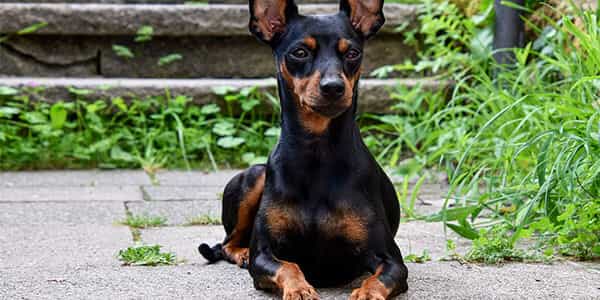
Before dog beds and squeaky toys were commonplace, many dogs had very practical jobs like killing rats. Ratter dogs, as their name suggests, were bred specifically to hunt and kill rodents. You may have your own ratter dog and not even know it!
What Makes the Ratter Dog Breed?
What is a ratter dog and what makes them good at this unique job? Ratter dogs need to be small to squeeze into tight places where rodents hide. Don’t let their size fool you — — this job requires determination, agility, and a strong prey drive, which shape their personalities. They are quick, nimble, bold, and very tenacious.
Breeds historically used as ratters are predominantly terriers and feists (a cross between a hunting dog and a terrier). Pinschers and schnauzers are also talented ratter dogs. There are even five specific “ratonero” breeds in Spain. While they might look different, they all share the drive to chase and catch fast-moving prey.
There are nearly 40 breeds historically used as ratters. Some of the most common ratter breeds today include the
- Miniature and Standard Schnauzer
- Yorkshire Terrier
- Rat Terrier
- Dachshund
- Jack Russell Terrier
- Cairn Terrier
- Brussels Griffon
- Affenpinscher
Visit the Zoetis Petcare Breed Explorer to learn more about these breeds.
The Job of Ratter Dogs
These dogs have played an important role throughout history. Going back to medieval times, ratter dogs helped cull the rodent population, reducing the spread of disease. During World Wars I and II, ratter dogs were used in trenches and other military camps to curb disease and protect supplies.
Even today, ratters are indispensable on farms and cities alike to control pests. Currently, ratter dogs are used in New York City to manage the exploding rat population.
Ratter Dog Health
From a health perspective, ratter dogs are generally long-lived, just like other small breeds. Small breeds can, however, be prone to medical conditions, like:
- Mitral valve disease
They’re also prone to certain genetic issues in toy breeds or intervertebral disc disease (IVDD) in Dachshunds.
Responsible breeding, regular veterinary care, and maintaining a healthy weight go a long way in supporting the health of these breeds.
Helping a Ratter Dog Thrive at Home
Although most ratter dogs today aren’t spending their time clearing out barns or alleyways, the instinct to hunt is still there. Their behavior at home reflects their working roots. Many ratter breeds are high-energy, noisy, and alert.
Mental Enrichment
They need plenty of mental enrichment and physical exercise, along with outlets for their natural chase-and-catch instincts. Without it, they may invent their own jobs, like barking at every sound, destructive chewing habits, or obsessively patrolling the yard.
Ratter dogs thrive in homes where they have something to do such as:
- Puzzle toys
- Trick training
- Regular sniffing games
- Flirt pole play
Exercise and Activities
Another great option is signing them up for Earth Dog, a dog sport created specifically for dogs who want to dig and hunt rats in tunnels.
Ratter dogs also excel at nose work, agility and flyball.
Families who enjoy active playtime or structured training tend to do well with these breeds.
Other Pets
Since ratter dogs were bred to hunt and kill small, fast-moving animals, they can pose a serious risk to pets like hamsters, gerbils, or rabbits. Early socialization and lifelong management are crucial if these breeds are going to live in a home with pocket pets. However, even with training and supervision, physical barriers are always necessary to prevent accidents.
While they may not be hunting vermin every day like their ancestors, ratter dogs still bring that same spirited energy to modern homes. If you’re looking for a small dog with a big personality and a fearless attitude, a ratter breed might be for you.
ZPC-05196