
Most pet parents aren’t medical experts, so helping your pet recover after surgery can feel overwhelming. You might wonder, “What should the incision look like?”, “When will my dog start eating normally?”, or “Is my cat hiding a sign that they are in pain?”
Understanding what’s normal in dog and cat surgery recovery (and spotting complication signs) can give you confidence and help your pet heal faster.
What to Expect After Your Pet’s Surgery
While every surgery and recovery is unique, there are clear signs pet parents can expect in the first days and weeks after a procedure. Effective pet care starts with knowing these signs and what steps to take if your dog or cat isn’t eating after surgery.
The Surgical Incision
An important part of your job will be monitoring your pet’s incision as it heals. Before leaving the veterinary hospital, have them show you the incision and consider taking a photo for reference. This helps you spot changes quickly and provide improved care.
- Edges: Pulled together, dry, light pink, slight swelling, no odor
- Bruising: Mild, peaks around 72 hours post-surgery
- Bleeding: Tiny amount may seep in first 24 hours, especially if your pet is too active
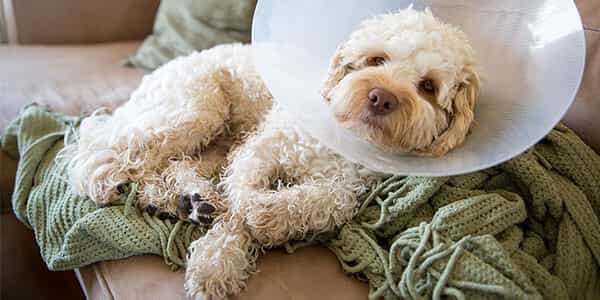
- Protection: Your veterinarian may recommend a cone or protective suit until the incision heals
First Few Days
Dog surgery recovery and cat surgery recovery share these initial signs:
- Mild grogginess and wobbling from the anesthesia for a day or two
- Improvements in alertness and appetite within a few days
- Smaller appetite in the first day; improvement by Day 2
Bathroom Changes
- Urination may occur more frequently in the first 24–48 hours if fluids were given during surgery
- If no fluids were given or your pet is stressed, urination may be delayed up to 18 hours but should return to normal within three days
- Stool may be delayed for 24–48 hours due to fasting, anesthesia, or medications
Feeding Tips
- Follow your veterinarian’s instructions for feeding and water
- Avoid food or water within two hours of arriving home, as it may cause vomiting
- Lack of appetite is common for 24–48 hours after surgery
Weeks One - Six: Activity & Healing
Your pet will likely need restricted activity for two to six weeks, depending on the type of surgery they had. This means no running, jumping, climbing, or playing of any sort. When your veterinarian gives the OK, you can gradually increase activity.
By week two, your pet should be eating and drinking normally. The incision should be completely healed after a couple of weeks, but you may still feel sutures under the skin. Pain management needs should decrease as recovery progresses.
Pet Surgery General Recovery Timeline
| Recovery Stage | Normal Signs | Abnormal Signs | Actions |
|---|---|---|---|
| First 24-48 hrs | Mild grogginess, small appetite, slight swelling | Excessive lethargy, vomiting, heavy bleeding | Monitor, call vet if abnormal |
| Days 3-7 | Increased alertness, eating, incision healing | Refusing food, severe pain, gaping incision | Daily checks, call vet for red flags |
| Weeks 2-6 | Gradual activity increase, healed incision | Persistent pain, abnormal bathroom habits | Reintroduce activity slowly |
Surgical Recovery Red Flags
Catching small warning signs can help prevent infections, emergencies, and costly treatments. Here are some of the potential red flags to watch for as your dog or cat recovers:
Dog Surgery Complication Signs
Call your veterinarian if you notice:
- Refusing all food beyond 36 hours
- Severe lethargy
- Panting while resting (not due to heat)
- Trouble breathing
- Pale or blue gums
- Fever or signs of possible fever (warm ears, shivering)
- Signs of extreme pain
- Collapse
- Muscle twitching or seizures
Cat Surgery Complication Signs
All dog surgery complication signs apply to cats, plus:
- Open-mouth breathing
- Continuous hiding/unresponsiveness
Incision Healing
If you see any of the following changes to your pet’s incision, at any point in their recovery, call your veterinarian:
- Active bleeding
- Significant swelling
- Thick green or yellow discharge
- Excessive redness or bruising
- Foul smell
- Gaping or opening
Peeing and Pooping
These are concerning signs that warrant a call to your veterinary clinic:
- No urine in 24 hours
- Straining to urinate or poop
- Blood in urine or stool
- Repeated vomiting or severe diarrhea
- For cats, vocalizing in the litter box or soiling outside the litter box are also red flags.
My Pet Isn’t Eating or Drinking After Surgery: What to Do
If your dog or cat isn’t eating or drinking within two days after their surgery, they may need some support:
- Try raised food and water bowls if your pet’s cone is getting in the way.
- Always provide fresh water.
- Start with small meals throughout the day.
- Feed in a calm, quiet room.
- Warm food slightly by adding a little hot water.
- Add pet-safe flavor enhancers to the food, such as broths or gravies.
- Ask your veterinarian if a bland diet would help to reduce stomach upset.
- Feed your pet before giving medication to help reduce nausea.
- Give pain, anti-emetic or vomiting treatment medications on time because pain and nausea suppress appetite.
Call your veterinarian if you notice:
- Refusing all food for 36 hours
- Vomiting or diarrhea
- Severe lethargy
- Labored breathing
- Signs of pain that are not being managed with pain medication
Cats are at higher risk for hepatic lipidosis (fatty liver disease) if they don’t eat after surgery. If your cat hasn’t eaten for 36 hours, contact your veterinarian or emergency clinic right away.
Is My Pet in Post-Op Pain?
Dogs and cats hide pain well, but effective pain management helps them recover faster and feel happier. Never skip a dose of pain medication or stop unless your veterinarian says so. Do not add over-the-counter meds without guidance, as they can be toxic. Call your vet if pain persists despite prescribed meds or if your pet seems heavily sedated.
Signs Your Pet’s Pain Is Well Controlled
- Resting comfortably
- Relaxed body posture and facial expression
- Taking treats
- Moving carefully but willingly for potty breaks or using the litter box
- Sleeping normally
- Breathing comfortably
- Interested in attention and their surroundings
Signs Your Pet May Be in Pain
- Whining, crying, or growling
- Panting at rest (dogs)
- Hiding and reduced grooming (cats)
- Pacing or trouble settling
- Lack of appetite
- Guarding the incision or not wanting to be touched
- Sudden agitation
- Aggression
- Obsessively licking, chewing, or scratching at the incision
Recovery Timeline & What to Track
- Daily incision checks and cone use until cleared
- Suture removal or recheck timing varies—confirm your appointment before leaving the clinic
- Activity remains restricted until cleared; reintroduce slowly
- Keep a log: appetite, water intake, bathroom breaks, behavior changes, and incision photos
Most post-surgery changes are temporary. Trust your instincts—if something seems off, especially appetite, behavior, or the incision, call your veterinarian. Quick action keeps recovery on track and stress low for you and your pet. Modern pet health solutions, personalized support, and vet-approved guidance help your pet return to happy and healthy days.
ZPC-05434

Important Safety Information: Use Cerenia Tablets for acute vomiting in dogs 2 months and older, and for prevention of vomiting due to motion sickness in dogs 4 months and older. Safe use has not been evaluated in dogs with gastrointestinal obstruction, or those that have ingested toxins. Use with caution in dogs with hepatic dysfunction. In people, topical exposure may elicit localized allergic skin reactions, and repeated or prolonged exposure may lead to skin sensitization. See Prescribing Information.