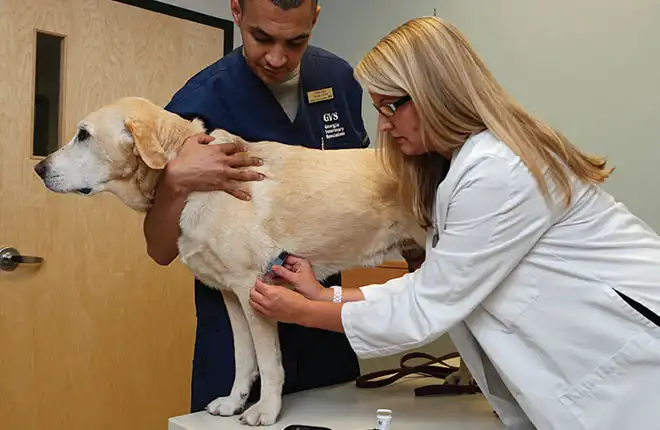
As a pet parent, you want your pet to live a happy and healthy life. One of the best ways to support your pet’s well-being is through regular diagnostic health screenings. These screenings help your veterinarian establish a baseline for your pet’s health, making it easier to spot changes early and address issues before they become emergencies. Point-of-care testing is a modern, effective solution that allows your vet to run and analyze tests right at the clinic—often giving you results before you even leave.
What Is Point-of-Care Testing?
Point-of-care testing is preventative or diagnostic testing that is run and analyzed where your pet receives care, such as at your pet's veterinary clinic. This type of testing may provide results more quickly than send-out lab results, so you can get an answer or a diagnosis and decide next steps (additional testing, treatment, or advanced diagnostics) in the same visit to your veterinarian.
Research shows that underlying issues can be detected earlier by monitoring your pet’s health through regular diagnostic testing. Studies have indicated the presence of abnormalities in 6–80% of evaluated dogs presented for routine primary care appointments or preanesthetic testing.1
Diagnostic health screenings are sometimes the only way to identify health issues before they become something more serious.
The tests your veterinarian may recommend for your pet depend on their breed, age, and lifestyle. Some of the most common preventive, diagnostic, or monitoring tests that can be run and analyzed in-clinic through point-of-care testing include:
Blood Chemistry
These tests can provide indicators of the health and function of your pet's pancreas, liver, kidneys, intestines, thyroid and other organs.
A common test is a biochemistry profile, which will check many different factors including blood glucose (checking for evidence of diabetes, liver dysfunction and other diseases), blood urea nitrogen (BUN) and creatinine (both indicators primarily of kidney/renal health), blood protein levels (where abnormalities could indicate inflammation, liver dysfunction, or even certain cancers), and specific liver enzymes (indicating a range of different problems with the liver).
Hematology Testing
The most common hematology test is the Complete Blood Cell Count (CBC), which looks at red blood cells, white blood cells, and platelets. It can help the veterinary team detect conditions like anemia and leukemia, and can detect inflammation, blood clotting concerns, and possible infections.
Urinalysis (Urine Testing)
Urine tests, which should be performed alongside blood chemistry testing, look for the presence of blood, protein, glucose, bacteria or other abnormalities in the urine. This tells the vet team not just how well your pet's kidneys are working, but also provides insight into other areas such as the potential for a urinary tract infection, inflammation or even stones.
Fecal Testing
Fecal testing looks for evidence of common intestinal parasites that can make your pet sick. Some of these parasites, such as Hookworms and Roundworms, can also affect humans.
Common Point-of-Care Tests for Pets
| Test Type | What It Detects | Species Used | Frequency | Point-of-Care Device? |
|---|---|---|---|---|
| CBC (Blood Count) | Anemia, infection | Dog, Cat | Annual | Yes |
| Chemistry Panel | Liver, kidney, diabetes | Dog, Cat | Annual | Yes |
| Urinalysis | Kidney, infection | Dog, Cat | Annual | Yes |
| Heartworm Test | Heartworm disease | Dog | Annual | Yes |
| Thyroid Panel | Thyroid dysfunction | Cat, Dog | Annual | Yes |
Benefits of Diagnostic Health Screening
With point-of-care testing, your pet's test results are available to you the same day, giving you peace of mind when normal results are confirmed.2
By trending test results over time, your veterinary team can document what is normal for your pet and more easily recognize early signs of disease. Early detection can mean early management, which reduces your pet's discomfort. It can also decrease the cost of controlling and maintaining the condition over time.
Ultimately, diagnostic health screenings for pets allows your veterinary team to treat your dog or cat proactively, rather than reactively.
Point-of-care testing is a modern, vet-approved approach that makes pet health more personalized and effective. By choosing diagnostic health screenings, you’re helping your veterinary team catch issues early, provide improved care, and deliver better prevention for your pet.

ZPC-00422R2

- AAHA: 2019 AAHA Canine Life Stage Guidelines, J Am Anim Hosp Assoc, 2019. Accessed March 18, 2026.
- A Pet Owner’s Guide to Preventive Testing. Abaxis.