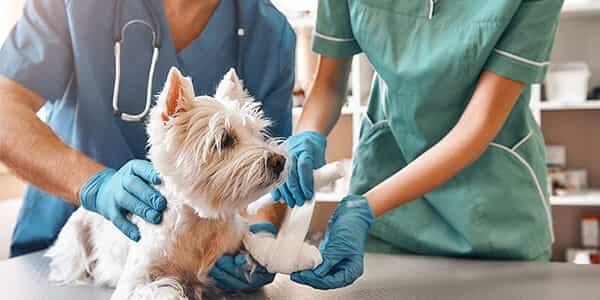
When your pet goes to the “back room” at the veterinary clinic, you may wonder what happens after the door closes. The back room, also called the treatment area, gives the veterinary team the space, equipment, and extra help needed to care for your pet. Knowing what happens there can make your next visit feel less uncertain.
Your pet may go to the back room during a routine wellness visit, a sick visit, or a surgical procedure. The care they receive depends on why they’re at the clinic, but the goal is always the same: to provide safe, effective treatment and support your pet’s health.

Why Does My Pet Go to the Back Room?
There simply isn’t room for three people and the doctor and the equipment and the treatment (like vaccines, blood draw equipment, fluids, etc.) and the pet and owner all in one exam room! In most situations, your pet is taken to the back for additional equipment, team members, and extra space needed to give your pet their treatment.
The back room is also filled with more advanced medical equipment – like an x-ray and surgery suite, anesthesia machines, dental machine, and specialized tables and lights to help veterinarians get the best look at what’s going on with your pet.
Veterinary practices place a strong emphasis on minimizing stress in their patients. Having extra staff around to lend a hand allows treatment to be performed efficiently while your pet is offered treats, pets, and verbal comfort. Using this team approach, your veterinarian can provide high quality medical care while taking fear, anxiety, and stress out of your pet's experience.
During General Wellness Visits
During a general wellness visit, your veterinarian, veterinary technician, or another staff member may need to take your pet to the back for a variety of reasons. These are some of the most common:
- A more thorough physical exam
- Blood draw
- Heartworm test
- Urine and fecal sample collection
When Your Pet is Sick
If your pet is sick or is admitted to the veterinary hospital, they may be rushed to the back for diagnostics and treatment. Every pet’s diagnosis and treatment is unique, but these are some common procedures that happen in the back room:
- Diagnostic testing like blood tests, urinalysis, and fecal sample testing
- Medication administration, particularly if your pet requires oxygen or anesthesia immediately
- IV catheter placement and IV fluid and medication administration
- X-rays and other imaging like an ultrasound or endoscopy
For Surgical Procedures
If your cat or dog is at the veterinary hospital for surgery or a dental procedure, the veterinary staff will take them to the back, where everything from pre-op to post-op care happens, like:
- Pre-op examination and diagnostics
- Initial IV catheter placement, sedation, and intubation
- Anesthesia
- Surgery or dental procedures
- Post-op care
Why Can’t I Go Into the Back With My Pet?
When pet owners come to the back, many of these procedures listed above need to stop, or at least be altered, to protect you as an individual. Federal health and safety regulations prohibit non-employees from exposure to radiation, anesthesia, many medications, and any biologic samples that could contain zoonotic (transferrable to human) diseases. Many pets also seem to do better with their procedures without watching or worrying about their best friend (you!) in this new environment.
If you’re worried about your pet’s trip to the back room, it’s ok to ask for a tour. Many practices are fine with this (and even encourage it) but will schedule a time or timeframe so you’re not exposed to any hazards, disrupting another client’s visit with their sick pet, or in the area during an emergency.
What Is in the Back Room?
- Veterinary technicians and assistants. While you may see quite a few vet techs in the front area of the clinic, there may be some that work exclusively in the back. These technicians may assist with surgeries, analyzing tests that your pet had done, or supervise and care for animals that have just had surgery or are at the clinic for the supervision of a medical condition. Assistants may be running blood, fecal, and urine samples.
- Equipment. Everything from an anesthesia machine, dental x-rays, traditional x-ray machine, ultrasound, IV fluid pumps, examination tools, specialized lighting, and lab equipment lives in the back.
- Medications. Most practices keep their pharmacy in the back and have a specialized locked area for controlled substances and to keep pets and people safe.
- Surgical suite. This specialized operating room is often located near the treatment area so that the veterinary team can communicate about how things are going in surgery and so that staff can assist the surgical patient and veterinarian at a moment's notice if needed.
- Kennels and cat condos. If a pet needs to be hospitalized, it’s generally because they are sick and need regular medication and monitoring. Keeping them in the back in the treatment area (often separate from the non-medical boarding area) allows them to have constant attention from technicians and assistants.
The veterinary team may include veterinarians, veterinary technicians, assistants, and other support staff. Each person has a specific role, from running diagnostic testing to monitoring anesthesia and helping your pet recover. Together, they provide the treatment and improved care your pet needs.
What to Expect After Your Pet Goes to the Back Room
When your pet returns to the exam room, the veterinarian or another team member should explain what they found and what happened during the visit. Depending on the reason for the visit, they may review:
- Test results and next steps
- Medicine or injections your pet received
- X-ray or imaging findings
- At-home treatment instructions
- Signs to watch for
- When to schedule a follow-up visit
If your pet had surgery or another procedure, they may be sleepy, unsteady, or less interested in food for a short time. Follow the clinic’s instructions, and call if you notice unexpected changes or if you’re unsure about your pet’s recovery.
How You Can Help Your Pet During the Visit
Tell the veterinary team about your pet’s usual behavior, past reactions to handling, current medications, and any changes you’ve noticed at home. This information can help the team choose safer and more comfortable ways to examine and treat them.
You can also ask questions before your pet goes to the back room. It’s reasonable to ask what the team plans to do, why the procedure is needed, how you’ll receive updates, and what you should do when your pet comes home.
ZPC-00813R2